Concrete vs. Steel: What’s Best for Gray structure Strength in Pakistan?
Concrete vs Steel Gray Structure in Pakistan: When you’re planning a construction project in Lahore—whether it’s your dream home, a commercial plaza, or an industrial facility—one of the most critical decisions you’ll face is choosing the right materials for your gray structure. After all, the foundation and framework of your building determine its longevity, safety, and overall performance for decades to come.
At Dilawar Interiors, we’ve worked on countless residential and commercial projects across Lahore, and one question we hear repeatedly is: “Should I use concrete or steel for my gray structure?”
The truth? Both materials are exceptional, but they serve different purposes and excel in different scenarios. Let’s break down the concrete vs. steel debate so you can make an informed decision for your 2026 construction project.
Need expert guidance on your gray structure?
Contact Dilawar Interiors for a free consultation with our architectural and construction team.
What is a Gray structure and Why Does Material Choice Matter?
Before we dive into the comparison, let’s clarify what we mean by “gray structure.”
A gray structure refers to the bare skeletal framework of a building—the foundational structure that includes:
- Foundation and footings
- Columns and beams
- Load-bearing walls
- Roof slab
- Staircase structure
This is the stage before plastering, electrical work, plumbing, or any finishing touches. The gray structure is literally the backbone of your building, which is why choosing the right materials is non-negotiable.
Using inferior materials or making poor structural decisions at this stage can lead to:
- Structural failures and cracks
- Reduced building lifespan
- Higher maintenance costs
- Safety hazards during earthquakes or storms
- Failed inspections and legal complications
In Pakistan’s construction industry, where building regulations are becoming stricter and homeowners are more quality-conscious than ever, getting your gray structure right is the difference between a building that lasts 20 years and one that stands strong for a century.
Now, let’s explore the two powerhouses of gray structure construction: concrete and steel.
Concrete for Gray structure: Strength Through Versatility
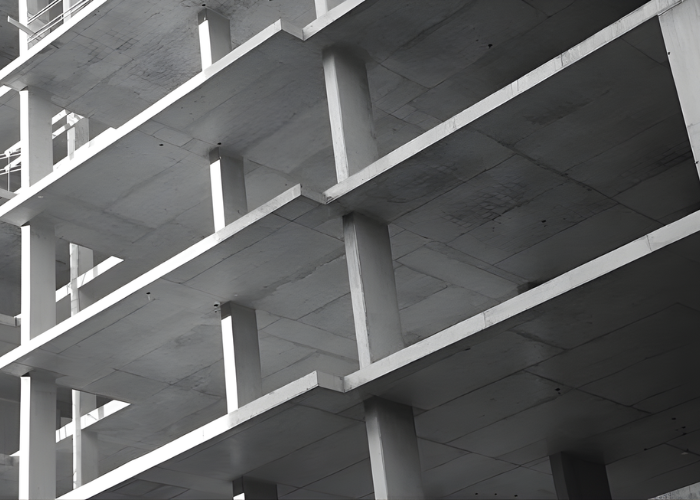
The Power of Concrete in Pakistani Construction
Concrete has been the go-to building material in Pakistan for generations, and for good reason. It’s robust, affordable, and incredibly versatile—making it perfect for the “affordable elegance” we champion at Dilawar Interiors.
Walk through any neighborhood in Lahore—from the historic streets of Old City to the modern developments in DHA and Bahria Town—and you’ll see concrete dominating the landscape. But why has this material stood the test of time?
Key Strength of Concrete
1. Exceptional Compressive Strength
Concrete excels at bearing heavy loads from above, which makes it ideal for:
- Multi-story buildings (common in urban Lahore where land is premium)
- Load-bearing walls in traditional Pakistani architecture
- Foundations in Lahore’s clay-rich soil conditions
- Commercial structures with heavy equipment and storage needs
A well-mixed concrete structure can easily support loads of 3,000 to 5,000 PSI (pounds per square inch), and high-grade concrete can exceed 10,000 PSI. This means your building can safely accommodate multiple floors, heavy furniture, and even rooftop additions—something many Pakistani homeowners plan for future expansion.
2. Superior Fire Resistance
Here’s something that sets concrete apart: its outstanding resistance to high temperatures. In case of fire or extreme heat:
- Concrete maintains structural integrity for 2-6 hours depending on thickness
- No additional fireproofing treatment required (saving you thousands of rupees)
- Protects the building occupants and contents during evacuations
- Lower insurance premiums due to enhanced fire safety ratings
This is particularly important in Pakistan’s hot climate and densely populated urban areas where fire safety is paramount. We’ve all heard horror stories of buildings in Lahore’s commercial areas catching fire—concrete structures give you precious time to evacuate safely.
3. Excellent Thermal Mass
Living in Lahore, you know how brutal the summer heat can be, with temperatures soaring above 45°C (113°F) in June and July. Concrete’s thermal properties help:
- Keep interiors 5-7°C cooler during scorching summers
- Reduce air conditioning costs by up to 30%
- Provide natural insulation during winter months
- Maintain comfortable indoor temperatures with less energy consumption
This is a massive advantage for Pakistani homeowners dealing with rising electricity costs. A concrete structure essentially acts as a natural climate moderator, absorbing heat during the day and releasing it slowly at night.
4. Resistance to Moisture and Termites
Unlike wood or certain steel applications, concrete:
- Doesn’t rot or decay in Pakistan’s monsoon season
- Provides no food source for termites (a huge problem in Lahore)
- Withstands water exposure better than many alternatives
- Requires minimal waterproofing treatment for the gray structure itself
5. Cost-Effectiveness
For budget-conscious clients (which is most of us!), concrete offers:
- Lower material costs compared to structural steel (roughly 30-40% less)
- Readily available raw materials across Pakistan
- Simpler construction techniques requiring less specialized labor
- Reduced labor costs due to widespread contractor expertise
In 2026, with the Pakistani rupee fluctuating and imported materials becoming expensive, choosing locally-sourced concrete can significantly reduce your construction budget.
Types of Concrete Used in Gray structures
Simple Cement Concrete (PCC – Plain Cement Concrete)
- Used for foundation leveling and creating a clean base
- Creating bedding for footings and ground-level slabs
- Non-load-bearing applications
- Typical ratio: 1:3:6 or 1:4:8 (cement:sand:aggregate)
Reinforced Cement Concrete (RCC)
- Steel bars (rebar) embedded within concrete for tensile strength
- Perfect for beams, columns, roof slabs, and load-bearing walls
- The most common choice for residential buildings in Pakistan
- Typical ratio: 1:2:4 for structural elements
Ready-Mix Concrete
- Pre-mixed at batching plants with precise proportions
- Ensures consistent quality across entire project
- Faster construction timelines (no on-site mixing delays)
- Ideal for large commercial projects and multi-story buildings
- Slightly more expensive but worth it for quality assurance
High-Performance Concrete
- Enhanced durability and strength (used in high-rises)
- Better resistance to environmental factors
- Used in specialized applications like bridges and industrial facilities
- Contains additives for improved workability and strength
Waterproof Concrete
- Contains water-repellent additives
- Ideal for basements, water tanks, and bathrooms
- Reduces need for external waterproofing treatments
Steel for Gray structure: Engineering Excellence
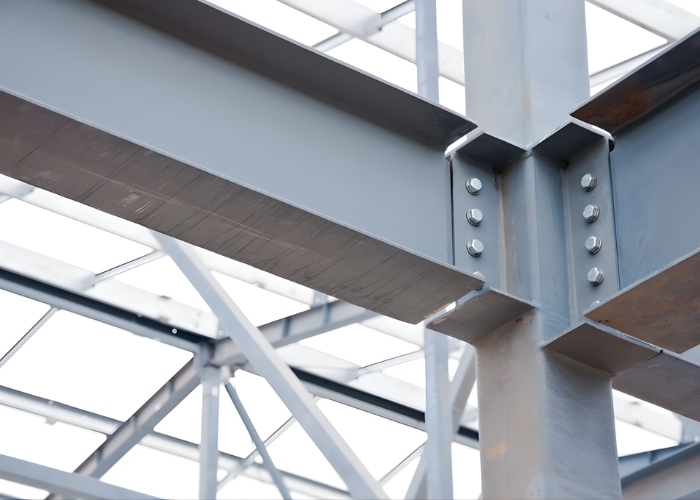
Why Steel is Gaining Popularity in Pakistan
While concrete dominates the Pakistani construction landscape, steel structures are becoming increasingly popular—especially for commercial buildings, warehouses, shopping malls, and modern architectural designs.
Drive past any new commercial development in Lahore’s Gulberg or Johar Town, and you’ll likely see steel frames rising skyward. There’s a reason architects and engineers are turning to steel for contemporary projects.
Key Strengths of Steel
1. Remarkable Ductility (Flexibility)
Steel’s ability to bend without breaking is its superpower:
- Absorbs seismic energy during earthquakes, swaying rather than cracking
- Reduces catastrophic failure risk by distributing stress
- Essential for buildings in seismic zones (Pakistan falls in zones 2A to 4)
- Better performance during ground movement and settling
Pakistan experienced significant earthquakes in 2005 (Kashmir) and 2013 (Balochistan), and seismic building codes have become stricter. Steel’s flexibility can literally save lives during such events.
2. Superior Tensile Strength
While concrete handles compression well, steel excels at:
- Resisting pulling and stretching forces (tensile loads)
- Spanning longer distances without intermediate support (up to 100+ feet)
- Creating open floor plans without columns obstructing space
- Enabling modern architectural designs with cantilevers and overhangs
This makes steel perfect for:
- Showrooms and retail spaces that need column-free interiors
- Warehouses with maximum usable floor space
- Modern offices with flexible, adaptable layouts
- Contemporary homes with large, open living areas
3. Speed of Construction
Time is money, especially in construction where delays cost you rent or lost business opportunities:
- Pre-fabricated steel components arrive ready to bolt together
- 40-50% faster assembly compared to concrete curing and formwork
- Less weather-dependent (work continues even during light rain)
- Shorter project timelines mean earlier occupancy and ROI
For commercial clients, this speed advantage can mean opening your business 2-3 months earlier—potentially recovering a significant portion of construction costs.
4. Design Flexibility and Aesthetics
For contemporary and innovative designs:
- Create wide-span structures without visible support columns
- Enable unique architectural features (curved walls, dramatic overhangs)
- Perfect for modern commercial spaces and statement buildings
- Allows for future modifications and expansions more easily
Steel structures also allow for mixed-material designs—combining steel frames with glass facades, creating the sleek, modern aesthetic you see in Lahore’s new corporate offices and high-end restaurants.
5. Consistent Quality and Precision
Unlike concrete which can vary based on mixing quality:
- Steel is manufactured in controlled factory conditions
- Meets precise engineering specifications
- Every beam and column has certified strength ratings
- Minimal on-site quality control issues
This predictability is valuable for architects and engineers who need exact load calculations.
6. Sustainability and Recyclability
In an era of environmental consciousness:
- Steel is 100% recyclable without loss of properties
- Old steel structures can be dismantled and repurposed
- Reduces construction waste
- Lower carbon footprint per square meter in some applications
Types of Steel Used in Construction
Mild Steel (Carbon Steel)
- Most commonly used in Pakistani construction
- Carbon content: 0.16% to 0.29%
- Affordable and readily available in local markets
- Used for general structural framing, columns, and beams
- Good balance of strength, workability, and cost
Structural Steel
- Engineered for specific load requirements
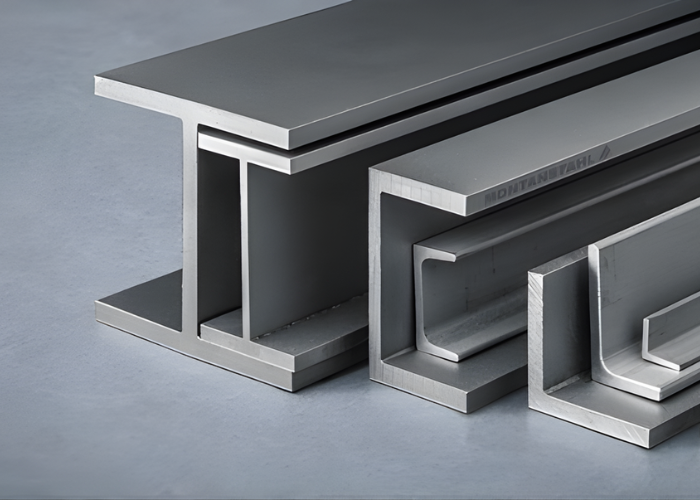
- Takes various shapes: I-beams, H-beams, channels, angles
- Used in commercial and industrial buildings
- Higher strength-to-weight ratio than mild steel
- Available in grades like A36, A572, A992
Reinforcing Steel (Rebar)
- Works in conjunction with concrete in RCC structures
- Creates the reinforced concrete structures we see everywhere
- Essential for providing tensile strength to concrete
- Common grades: Grade 40 and Grade 60
High-Strength Steel
- Used in high-rise buildings and bridges
- Can support greater loads with less material
- More expensive but worth it for specialized applications
The Cost Factor: Breaking Down Your Investment
Let’s talk numbers, because at the end of the day, budget matters. Here’s a realistic cost comparison for a typical residential project in Lahore (2026 rates):
Concrete Gray structure Costs
For a 10-marla house (approx. 2,250 sq ft):
- Foundation: PKR 350,000 – 450,000
- Columns and beams: PKR 800,000 – 1,000,000
- Roof slab: PKR 600,000 – 750,000
- Stairs: PKR 150,000 – 200,000
- Total Gray structure: PKR 1,900,000 – 2,400,000
Material breakdown:
- Cement: PKR 800-900 per bag
- Steel (rebar): PKR 250-280 per kg
- Aggregates and sand: PKR 50,000-80,000 total
- Labor costs: PKR 600,000-800,000
Steel Frame Gray structure Costs
For the same 10-marla house:
- Foundation (still concrete): PKR 350,000 – 450,000
- Steel framing: PKR 1,200,000 – 1,600,000
- Floor system: PKR 400,000 – 550,000
- Connection and assembly: PKR 250,000 – 350,000
- Total Gray structure: PKR 2,200,000 – 2,950,000
Why the higher cost?
- Imported steel prices fluctuate with dollar rates
- Specialized welding and assembly labor
- Transportation of large steel sections
- Engineering and design fees
The Verdict: Concrete is generally 15-25% more cost-effective for residential projects in Pakistan.
However, for commercial projects where speed matters and you can monetize the space sooner, steel’s faster construction can offset the higher material costs through earlier revenue generation.
Head-to-Head Comparison: Concrete vs. Steel
Let’s put these materials side by side across all critical factors:
Durability & Longevity
Concrete:
- Highly durable with minimal degradation
- Resistant to weathering, UV rays, and temperature fluctuations
- Minimal maintenance required (occasional crack repairs)
- Expected lifespan: 50-100+ years with proper construction
- Better performance in coastal areas (less corrosion concerns)
Steel:
- Durable but requires protection from corrosion
- Needs regular painting/coating (every 5-7 years in Lahore’s climate)
- Rusting issues in high-humidity or coastal environments
- Expected lifespan: 50-75 years with proper maintenance
- Galvanized steel lasts longer but costs more
Winner: Concrete (especially for low-maintenance, long-term structures)
Cost-Effectiveness
Concrete:
- Lower material costs (locally sourced)
- Lower labor costs (widespread expertise)
- No currency fluctuation risk
- Total cost: 100% baseline
Steel:
- Higher material costs (often imported or expensive local steel)
- Specialized labor required (certified welders)
- Subject to international steel price fluctuations
- Total cost: 115-130% of concrete baseline
Winner: Concrete (for budget-conscious residential projects)
Construction Speed
Concrete:
- Requires formwork installation and removal
- Needs 7-28 days curing time before loading
- Weather-dependent (rain delays concrete pouring)
- Timeline: 100% baseline
Steel:
- Pre-fabricated components installed quickly
- Immediate load-bearing capacity
- Less weather dependency
- Timeline: 60-70% of concrete time
Winner: Steel (especially for commercial projects with tight deadlines)
Seismic Resistance
Concrete:
- Rigid structure, can crack under lateral forces
- Requires careful reinforcement detailing
- Brittle failure mode (sudden cracks)
- Performance rating: Good (with proper RCC design)
Steel:
- Flexible, absorbs seismic energy through ductility
- Bends before breaking (gives warning signs)
- Better performance in earthquake zones
- Performance rating: Excellent
Winner: Steel (critical for high-seismic areas)
Fire Resistance
Concrete:
- Excellent fire resistance (2-6 hour ratings)
- No additional fireproofing needed
- Doesn’t release toxic fumes when heated
- Maintains strength at 1000°C for extended periods
Steel:
- Loses 50% strength at 600°C
- Requires fireproofing treatment (intumescent paint/spray)
- Additional cost for fire protection
- Can collapse suddenly if unprotected
Winner: Concrete (decisive advantage)
Environmental Impact
Concrete:
- Cement production creates significant CO2 emissions
- High energy consumption in manufacturing
- Not easily recyclable
- Local sourcing reduces transportation emissions
Steel:
- Energy-intensive production process
- 100% recyclable without quality loss
- Can be reused in other structures
- Often requires international shipping (higher carbon footprint)
Winner: Steel (for recyclability), but both need improvement
Thermal Performance
Concrete:
- High thermal mass (delays heat transfer)
- Reduces cooling costs in summer
- Natural insulation properties
- Better for Pakistan’s hot climate
Steel:
- Conducts heat rapidly
- Requires additional insulation
- Can make buildings uncomfortably hot
- Needs external thermal breaks
Winner: Concrete (especially in Lahore’s climate)
Space Efficiency
Concrete:
- Thicker columns and beams required
- Takes up more usable floor space
- Limited clear spans (max 20-25 feet economically)
Steel:
- Slimmer profiles for same strength
- More usable interior space
- Can span 50-100+ feet without intermediate support
- Better for open-plan designs
Winner: Steel (for space optimization)
Common Mistakes to Avoid in Gray structure Construction
At Dilawar Interiors, we’ve seen (and corrected) numerous gray structure mistakes. Here are the top errors that cost Pakistani homeowners dearly:
Mistake #1: Using Substandard Materials
The Error: Buying cheap cement or low-grade steel to save money.
The Cost: Structural weakness, cracks within 2-3 years, safety hazards.
Our Advice: Always use certified materials—look for PSI markings on cement bags and ISI/ASTM certification on steel.
Mistake #2: Inadequate Foundation Depth
The Error: Shallow foundations to save on excavation costs.
The Cost: Settlement cracks, structural instability, foundation failure.
Our Advice: Follow soil testing recommendations—Lahore’s clay soil typically needs 6-8 feet depth for load-bearing foundations.
Mistake #3: Ignoring Seismic Codes
The Error: Not incorporating earthquake-resistant design elements.
The Cost: Catastrophic failure during seismic events.
Our Advice: Use RCC with proper ductile detailing, especially in columns and beam-column joints.
Mistake #4: Poor Steel Placement in RCC
The Error: Insufficient steel bars or incorrect spacing in concrete.
The Cost: Reduced tensile strength, cracking under load.
Our Advice: Follow engineering drawings precisely—don’t let contractors “estimate” steel placement.
Mistake #5: Rushing the Curing Process
The Error: Loading concrete before proper curing (28-day strength).
The Cost: Reduced concrete strength by 30-40%, premature structural failure.
Our Advice: Water-cure concrete for at least 7 days; wait full 28 days before heavy loading.
Which Material Should You Choose for Your Project?
The answer isn’t one-size-fits-all. Here’s our expert recommendation based on project type and priorities:
Choose Concrete If:
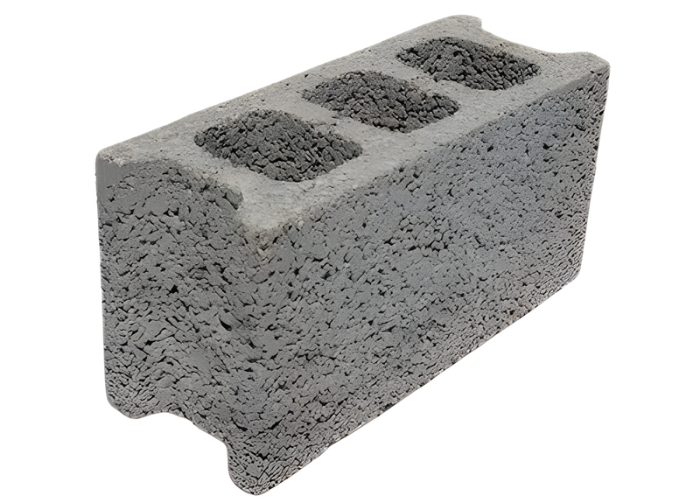
✅ You’re building a residential home in Lahore (houses, apartments, townhomes)
✅ Budget is a primary concern and you want maximum value
✅ You want superior fire resistance without additional treatments
✅ Your design follows traditional Pakistani architecture
✅ You’re building in areas with moderate seismic activity (most of Punjab)
✅ You need excellent thermal insulation to combat Lahore’s heat
✅ Long-term, low-maintenance structure is the priority
✅ You’re working with local contractors familiar with concrete construction
Best for: 5-marla to 2-kanal residential homes, small commercial buildings, traditional architecture
Choose Steel If:
✅ You’re constructing a commercial building, warehouse, or showroom
✅ Speed of construction is critical (need to open business quickly)
✅ You want large, open floor plans without columns
✅ You’re in a high seismic zone (northern Pakistan, Kashmir region)
✅ Your design requires modern, innovative architecture
✅ Future modifications and expansions are likely
✅ You need to maximize usable floor space
✅ Your project is multi-story (10+ floors) where steel’s lighter weight is advantageous
Best for:
Shopping malls, corporate offices, warehouses, modern commercial spaces, high-rises
The Hybrid Approach (Best of Both Worlds):
At Dilawar Interiors, we often recommend a combination approach for optimal results:
Option 1: RCC (Reinforced Concrete)
- Steel rebars within concrete structures
- Combines concrete’s compressive strength with steel’s tensile strength
- Most common residential construction method in Pakistan
- Cost-effective and proven performance
Option 2: Steel Frame + Concrete Floors
- Steel columns and beams for structure
- Concrete floor slabs for rigidity and fire resistance
- Faster construction with concrete’s thermal benefits
- Popular for 4-6 story commercial buildings
Option 3: Concrete Core + Steel Facade
- Concrete central core (stairs, elevators, utilities)
- Steel framing for exterior and floors
- Fire safety plus modern aesthetics
- Used in high-rise buildings
This hybrid method gives you the compressive strength of concrete and the tensile strength of steel—creating structures that are resilient, cost-effective, and built to last.
Dilawar Interiors, Approach to Gray structure Excellence
With years of experience in Lahore’s construction industry, we’ve learned that the best gray structure isn’t just about materials—it’s about a holistic approach:
Our Quality Assurance Process:
✅ Soil Testing: We conduct thorough soil analysis before designing foundations (avoiding the #1 cause of structural failure)
✅ Quality Materials: We source only certified concrete (minimum 3000 PSI) and steel (Grade 60 rebar) from verified suppliers
✅ Expert Engineering: Our in-house architects and civil engineers design every structure with safety margins exceeding local building codes
✅ Skilled Execution: We work with vetted contractors who have 10+ years of experience and understand quality standards
✅ On-Site Supervision: Our project managers conduct daily inspections at critical stages (foundation, column casting, roof slab)
✅ Budget Optimization: We believe in “affordable elegance”—delivering strength and quality without unnecessary luxury costs
✅ Code Compliance: All our structures meet Lahore Development Authority (LDA) regulations and Pakistan Building Code requirements
✅ Documentation: We provide complete engineering drawings, material receipts, and as-built documentation
Whether you’re planning a 5-marla house in DHA or a commercial plaza in Gulberg, we ensure your gray structure is engineered for decades of reliable performance—not just 20-30 years, but genuinely multi-generational durability.
Making Your Gray structure Decision: Your Action Plan
Choosing between concrete and steel isn’t something you should do alone or rush. Here’s your step-by-step action plan:
Step 1: Define Your Project Parameters
- Building type (residential/commercial)
- Plot size and local regulations
- Number of floors planned (current + future expansion)
- Budget constraints
- Timeline requirements
Step 2: Get Professional Site Assessment
- Soil testing (cost: PKR 15,000-25,000, saves lakhs in future repairs)
- Topography survey
- Seismic zone classification
- Local building code review
Step 3: Consult with Experienced Professionals
- Meet with architects specializing in your building type
- Discuss with structural engineers (not just general contractors)
- Review portfolios of completed projects
- Get at least 3 detailed quotations
Step 4: Evaluate Long-Term Costs
Don’t just compare initial construction costs. Consider:
- Maintenance costs over 20 years
- Energy costs (cooling/heating)
- Insurance premiums
- Resale value impact
- Expansion possibilities
Step 5: Make an Informed Decision
- Review all technical data
- Compare total lifecycle costs
- Consider your risk tolerance
- Choose based on facts, not just price
Ready to build a gray structure that stands the test of time?
📞 Call Dilawar Interiors today at [+923111147157] for a free consultation. Our team of architects and construction experts will:
- Assess your specific site conditions
- Recommend the optimal material mix for your project
- Provide detailed cost estimates
- Answer all your technical questions
- Deliver a gray structure that combines strength, affordability, and elegance
Schedule Your Free Gray structure Consultation →
Final Thoughts: Build Smart, Build Strong, Build for Generations
The concrete vs. steel debate doesn’t have a universal winner—both materials are exceptional when used correctly for the right applications. What matters is choosing the right material for your specific project, your budget, your timeline, and your long-term goals.
At Dilawar Interiors, we believe in making construction accessible, transparent, and quality-focused. We’ve seen too many Pakistani homeowners suffer from poorly constructed gray structures—cracking walls, sagging roofs, foundation failures—all because someone tried to save a few thousand rupees on materials or rushed the construction process.
Your home or business is likely the biggest investment you’ll ever make. The gray structure is its foundation, its skeleton, its strength. This is not the place to compromise.
Whether you choose concrete for its thermal efficiency and cost-effectiveness, steel for its speed and flexibility, or a hybrid approach that combines the best of both—we’re here to guide you through every step, from initial planning to final handover.
Your dream space starts with a strong foundation. Let’s build it together—the right away.
Frequently Asked Questions
Q: Can I add floors later if I build with concrete? A: Yes, but the original foundation and columns must be designed for future expansion. Inform your engineer upfront if you plan to add floors later—it only adds 10-15% to initial costs but saves massive expenses later.
Q: Is steel suitable for Lahore’s climate? A: Yes, but requires proper treatment. Use galvanized steel or apply protective coatings every 5-7 years to prevent rust, especially during monsoon season.
Q: How long does concrete take to reach full strength? A: Concrete reaches about 70% strength in 7 days and full (100%) strength in 28 days. Never load structures before this period.
Q: What’s the cost difference for a 10-marla house? A: Expect concrete gray structure to cost PKR 1,900,000-2,400,000 vs. steel frame PKR 2,200,000-2,950,000 in 2026.
About Dilawar Interiors: Based in Lahore, we specialize in interior design, architectural services, and complete construction solutions—from gray structure to turnkey projects. Our mission is simple: deliver affordable elegance that lasts for generations.
Explore Our Services:
- Architectural Design & Planning – Custom designs tailored to your vision
- Gray structure Construction – Strong foundations, expert execution
- Complete Turnkey Projects – From empty plot to move-in ready
- Renovation & Remodeling – Transform existing spaces
Connect With Us:
📍 Location: +923111147157
📞 Phone: +923111147157
📧 Email: info@dilaawarinteriors.com
🌐 Website: www.dilaawarinteriors.com
Have questions about your construction project? Drop them in the comments below, and our team will respond within 24 hours!