When it comes to designing your home in Pakistan, one of the biggest decisions you’ll face is choosing between modern and traditional interior design styles. It’s a decision that affects not just how your home looks, but how it functions, feels, and even how much you’ll spend on maintenance over the years.
Walk into any furniture market in Lahore’s Shahdara, Karachi’s Tariq Road, or Islamabad’s Jinnah Super, and you’ll see this battle playing out. On one side, sleek modern furniture with clean lines and minimalist appeal. On the other, intricately carved traditional pieces that remind us of our heritage and culture.
So which one is right for YOU?
At Dilaawar Interiors, we’ve designed hundreds of homes across Pakistan, and we’ve seen families struggle with this exact question. Today, we’re settling this debate once and for all with a comprehensive comparison that will help you make the perfect choice for your home.
Confused about which style suits your home? Get a FREE design consultation with our experts! Contact Us
Understanding the Two Styles
Before we dive into the comparison, let’s clarify what we mean by “modern” and “traditional” in the Pakistani context.
Modern Interior Design
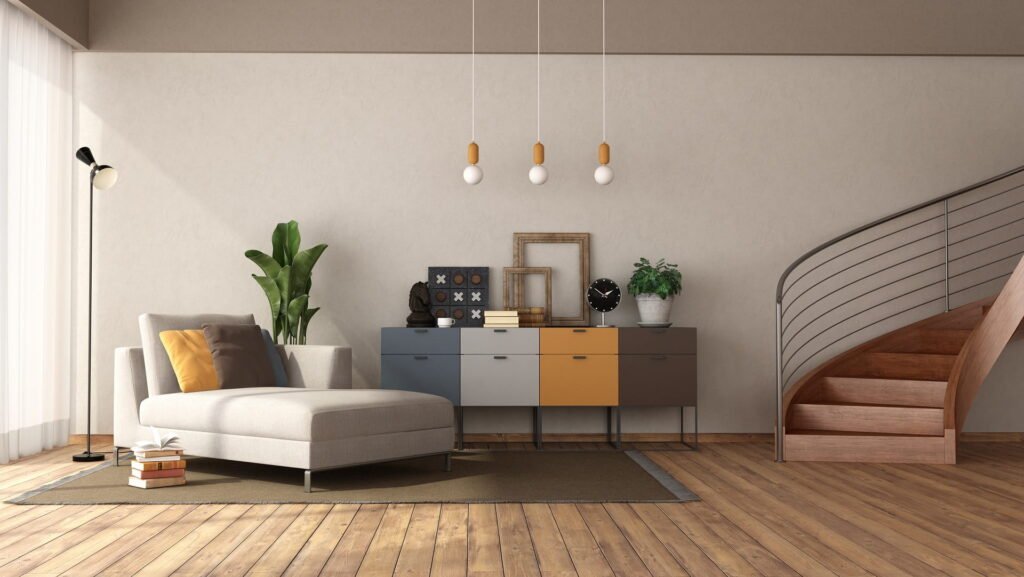
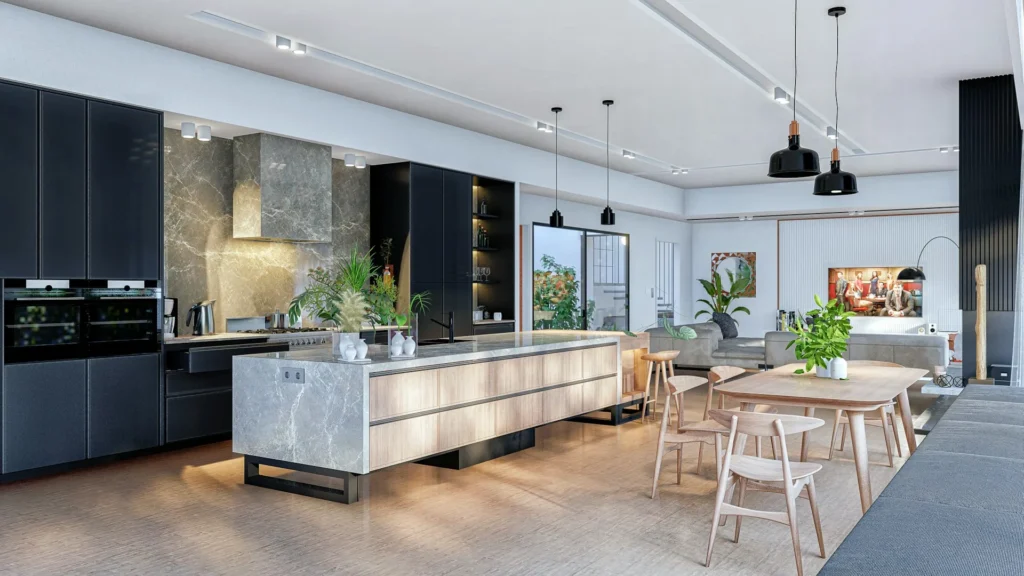
Modern design emerged in the early-to-mid 20th century and focuses on simplicity, functionality, and minimal ornamentation. In Pakistan, modern design has evolved to include contemporary elements that suit our lifestyle.
Core Principles:
- Clean, straight lines
- Minimal clutter and decoration
- Neutral color palettes
- Open floor plans
- Focus on functionality
- Use of modern materials (glass, metal, concrete)
Traditional Interior Design
Traditional Pakistani interior design draws from our rich cultural heritage, including Mughal architecture , regional crafts, and historical design elements that have been passed down through generations.
Core Principles:
- Ornate details and carvings
- Rich, warm color schemes
- Heavy wooden furniture
- Detailed textiles and fabrics
- Cultural and religious elements
- Emphasis on craftsmanship
The Complete Comparison: To Choosing the Right Interior Design Modern vs Traditional
Let’s break down every aspect to help you decide which style works best for your Pakistani home.
1. Aesthetics & Visual Appeal
Modern Design:
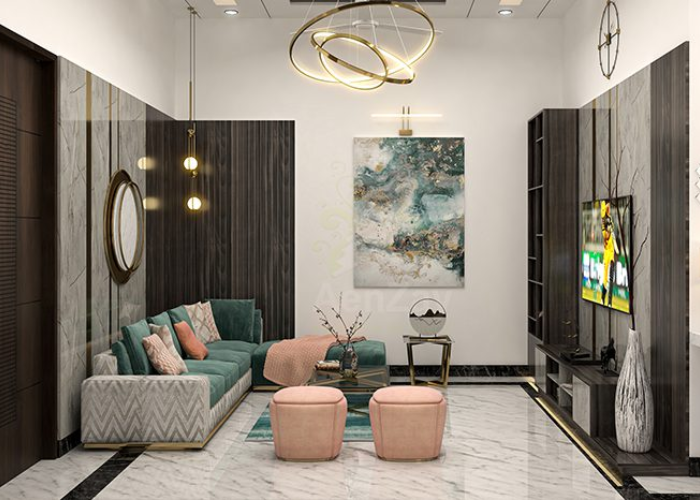
The Look:
- Sleek and streamlined
- Minimal accessories
- Emphasis on space and light
- Geometric patterns
- Monochromatic or limited color schemes
Popular Elements in Pakistani Modern Homes:
- Glass partitions instead of walls
- Hidden storage solutions
- Recessed lighting
- Floating furniture
- Large windows for natural light
- Polished concrete or marble flooring
Who It Appeals To:
- Young professionals and couples
- Small families in urban apartments
- People who prefer a clutter-free environment
- Those influenced by international design trends
Traditional Design:
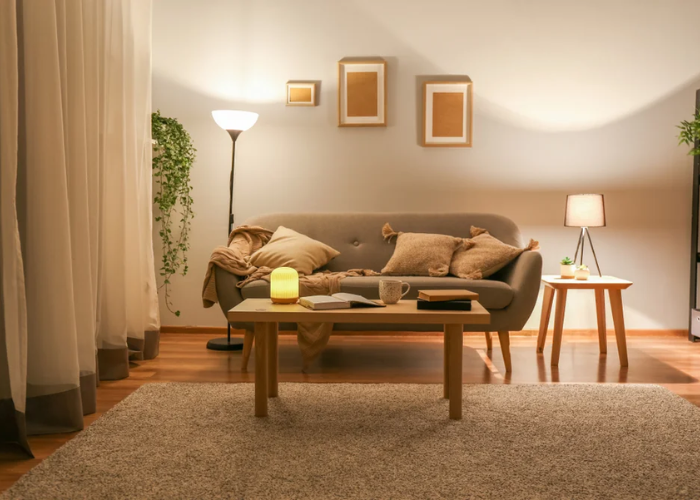
The Look:
- Rich and layered
- Abundant decorative elements
- Warm, inviting atmosphere
- Intricate patterns and details
- Deep, rich color palettes
Popular Elements in Pakistani Traditional Homes:
- Sheesham or walnut wood furniture
- Hand-carved jhali work
- Brass and copper accessories
- Heavy curtains with tassels
- Persian or Kashmiri carpets
- Jaali (lattice) windows
- Takht (traditional seating)
Who It Appeals To:
- Joint families
- Those who value cultural heritage
- Families with elderly members
- People in larger homes with dedicated rooms
Winner? It’s subjective! Modern feels fresh and spacious; traditional feels warm and culturally rooted.
2. Functionality & Practicality
Modern Design:
Strengths:
✅ Excellent for small spaces – maximizes every inch
✅ Multi-functional furniture (sofa-cum-bed, ottoman storage)
✅ Easy to clean and maintain
✅ Better organization with hidden storage
✅ Open layouts improve flow and movement
Challenges:
❌ Can feel cold or impersonal without proper styling
❌ Less seating capacity for large gatherings
❌ May lack dedicated prayer spaces
❌ Not ideal for storing traditional items
Best For:
- Nuclear families (2-5 members)
- Apartments and smaller homes
- People with busy lifestyles
- Those who prefer minimal maintenance
Traditional Design:
Strengths:
✅ Accommodates large family gatherings
✅ More seating options (takht, deewan, masnad)
✅ Dedicated spaces for cultural activities
✅ Built-in prayer areas and storage
✅ Better suited for joint family dynamics
Challenges:
❌ Requires more space
❌ Can feel cluttered in small rooms
❌ Needs regular maintenance (polishing wood, cleaning fabrics)
❌ More surfaces to dust and clean
❌ Can make small spaces feel cramped
Best For:
- Joint families (6+ members)
- Larger homes and bungalows
- Families who frequently host guests
- Those with domestic help for maintenance
Want to see which style works best in YOUR space? Book a free site visit and 3D visualization! WhatsApp Us
3. Cost Comparison
Let’s talk rupees! Here’s what you can expect to spend on a standard 10×12 living room in Pakistan:
Modern Design Budget Breakdown:
Basic Modern (PKR 150,000 – 300,000):
- Simple sofa set: PKR 80,000 – 150,000
- Coffee table: PKR 15,000 – 30,000
- TV unit: PKR 25,000 – 50,000
- Lighting: PKR 10,000 – 20,000
- Décor & accessories: PKR 20,000 – 50,000
Premium Modern (PKR 500,000 – 1,000,000+):
- Designer sofa set: PKR 250,000 – 500,000
- Marble/glass coffee table: PKR 50,000 – 100,000
- Custom TV wall unit: PKR 80,000 – 200,000
- Statement lighting: PKR 40,000 – 100,000
- Smart home features: PKR 50,000 – 150,000
- Décor & art: PKR 30,000 – 100,000
Traditional Design Budget Breakdown:
Basic Traditional (PKR 200,000 – 350,000):
- Wooden sofa set: PKR 100,000 – 180,000
- Center table (carved wood): PKR 30,000 – 60,000
- Side tables: PKR 20,000 – 40,000
- Traditional rug: PKR 25,000 – 50,000
- Curtains & fabrics: PKR 25,000 – 50,000
Premium Traditional (PKR 600,000 – 1,500,000+):
- Custom carved furniture set: PKR 350,000 – 800,000
- Handcrafted center table: PKR 80,000 – 150,000
- Persian carpet: PKR 100,000 – 300,000
- Chandelier: PKR 50,000 – 150,000
- Imported fabrics: PKR 50,000 – 150,000
- Décor items: PKR 40,000 – 100,000
Cost Winner: Modern design can be slightly more budget-friendly initially, but traditional furniture often lasts longer, making it a better long-term investment.
4. Maintenance & Durability
Modern Design:
Maintenance Needs:
- Weekly: Dust surfaces, vacuum upholstery
- Monthly: Clean glass surfaces, wipe down furniture
- Yearly: Professional sofa cleaning
Durability:
- Modern materials (MDF, particle board) may need replacement in 5-10 years
- Glass requires careful handling
- Fabric stains show easily on light colors
- Metal fixtures may rust in coastal areas (Karachi)
Maintenance Cost: PKR 5,000 – 10,000 yearly
Pros:
✅ Easy, quick cleaning
✅ Fewer decorative items to maintain
✅ Stain-resistant modern fabrics available
Cons:
❌ Less durable materials in budget options
❌ Difficult to repair (may need complete replacement)
Maintenance Needs:
- Weekly: Dust all wooden surfaces, clean fabrics
- Quarterly: Polish wooden furniture
- Yearly: Deep clean carpets, treat wood for termites, re-upholster if needed
Durability:
- Solid wood furniture lasts 20-30+ years
- Can be refinished and restored multiple times
- Resistant to daily wear and tear
- Better for Pakistani climate (wood breathes)
Maintenance Cost: PKR 15,000 – 25,000 yearly
Pros:
✅ Extremely durable
✅ Can be passed down generations
✅ Easy to repair locally
✅ Ages beautifully with proper care
Cons:
❌ Requires regular polishing
❌ Termite risk (especially in Karachi, Lahore)
❌ Heavy fabrics need frequent cleaning
❌ More time-consuming maintenance
Maintenance Winner: Modern design wins for ease; traditional wins for durability and longevity.
5. Climate Suitability for Pakistan
Pakistan’s climate varies significantly across regions. Let’s see which style works better where:
Modern Design & Climate:
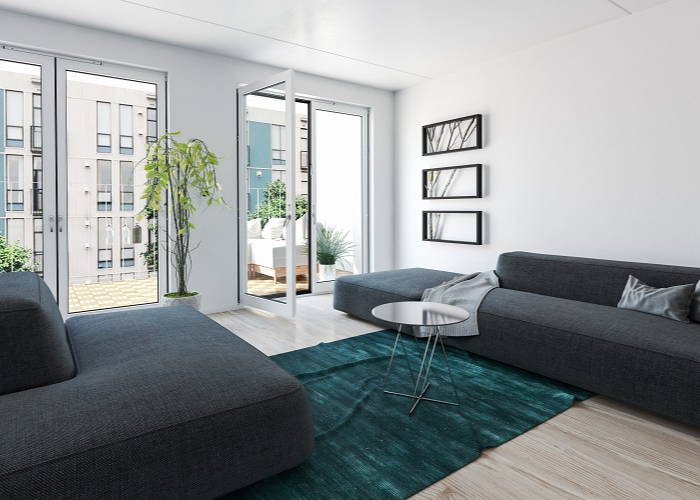
Advantages:
✅ Light colors reflect heat (better for hot regions)
✅ Minimal fabric means less heat absorption
✅ Glass and metal don’t harbor moisture
✅ Open layouts improve air circulation
✅ Works well with AC and modern cooling
Challenges:
❌ Glass can create greenhouse effect without proper curtains
❌ Metal gets hot in summer
❌ Less insulation in winter
Best For:
- Coastal areas (Karachi, Gwadar)
- Modern apartments with central air
- Hot, arid regions
Traditional Design & Climate:
Advantages:
✅ Wood naturally insulates (cooler in summer, warmer in winter)
✅ Heavy curtains block harsh sunlight
✅ Thick carpets provide insulation
✅ Works well without constant AC
✅ Designed for Pakistan’s climate historically
Challenges:
❌ Dark colors absorb heat
❌ Heavy fabrics can feel stuffy in summer
❌ Wood can crack in dry heat
❌ Moisture damage in monsoon season
Best For:
- Northern areas (Islamabad, Peshawar, Abbottabad)
- Areas with moderate climate
- Homes without 24/7 electricity
Climate Winner: Traditional design is historically better adapted to Pakistan’s diverse climate, but modern design with proper modifications works excellently in urban, climate-controlled environments.
Ready to design your climate-perfect home? Get expert recommendations based on your city! Call Now
6. Cultural & Social Considerations
This is where things get interesting. Design isn’t just about aesthetics – it’s about lifestyle and values.
Modern Design:
Social Fit:
✅ Perfect for nuclear families
✅ Suits contemporary Pakistani lifestyle
✅ Better for privacy (separate spaces)
✅ Aligns with minimalist living trends
Challenges:
❌ May feel “too Western” to elders
❌ Limited seating for large gatherings (Eid, weddings, dawats)
❌ Less obvious space for prayer
❌ May not accommodate traditional items (heirloom furniture, religious artifacts)
Cultural Integration Tips:
- Add a dedicated, beautifully designed prayer niche
- Use Pakistani truck art or calligraphy as wall art
- Incorporate traditional textiles as cushions
- Display cultural items as statement pieces
Traditional Design:
Social Fit:
✅ Naturally accommodates joint family living
✅ Built-in spaces for cultural practices
✅ More seating for guests and gatherings
✅ Respects and showcases heritage
✅ Appeals to all generations
Challenges:
❌ May feel “outdated” to younger generation
❌ Can be overwhelming in modern apartments
❌ Doesn’t always accommodate modern technology well
Modern Integration Tips:
- Hide TV in a carved cabinet
- Add smart lighting with dimmer switches
- Use modern bathroom and kitchen fixtures
- Incorporate charging stations in furniture
Cultural Winner: Traditional design naturally aligns with Pakistani cultural values, but modern design can be adapted beautifully with thoughtful touches.
7. Resale Value & Market Appeal
If you’re thinking long-term, consider how your design choice affects property value:
Market Appeal:
✅ Higher demand in urban centers (DHA, Bahria Town)
✅ Appeals to young buyers and renters
✅ Photographs well for online listings
✅ Associated with “move-in ready” properties
Resale Considerations:
- Trendy designs may feel dated in 5-10 years
- Neutral modern design has broad appeal
- Fixtures and fittings may need updating
- Good for rental properties (easy maintenance)
Traditional Design:
Market Appeal:
✅ Premium buyers value quality craftsmanship
✅ Appeals to families and joint family setups
✅ Associated with “established” homes
✅ Unique pieces can be selling points
Resale Considerations:
- Timeless appeal doesn’t go out of style
- Quality traditional furniture adds value
- May limit buyer pool (specific taste required)
- Better for long-term family homes
Resale Winner: Modern design has broader appeal, but well-executed traditional design can command premium prices in the right markets.
8. The Fusion Approach: Best of Both Worlds
Here’s a secret: You don’t have to choose just one!
What is Fusion Design?
Fusion (or contemporary fusion) combines the best elements of both styles. It’s become incredibly popular in Pakistan because it respects our heritage while embracing modern convenience.
Fusion Formula:
60% Modern + 40% Traditional = Perfect Pakistani Home
How to Do Fusion Right:
- Modern Structure, Traditional Accents:
- Modern sofa with traditional cushions
- Clean-lined furniture with carved side tables
- Neutral walls with traditional art
- Traditional Furniture, Modern Styling:
- Wooden carved bed with modern bedding
- Traditional dining table with modern chairs
- Heritage trunk as coffee table
- Room-by-Room Approach:
- Living room: Modern for easy entertaining
- Master bedroom: Fusion for personal comfort
- Formal drawing room: Traditional for cultural occasions
- Kitchen: Completely modern for functionality
Fusion Examples:
Living Room Fusion:
- Modern L-shaped sofa (PKR 120,000)
- Traditional hand-carved side tables (PKR 40,000)
- Contemporary TV unit (PKR 60,000)
- Pakistani truck art wall piece (PKR 15,000)
- Modern chandelier with traditional brass accents (PKR 45,000)
- Neutral walls with one traditional deep color accent wall
Total Cost: PKR 280,000 (Best value!)
Love the fusion approach? We specialized in creating perfectly balanced fusion designs! Schedule Your Free Consultation
9. Making Your Decision: The Ultimate Checklist
Still not sure? Use this decision-making framework:
Choose MODERN if you:
✅ Live in an apartment (under 1,500 sq ft)
✅ Prefer easy, minimal maintenance
✅ Have a nuclear family (2-5 members)
✅ Like clean, uncluttered spaces
✅ Work with a moderate budget
✅ Host smaller, intimate gatherings
✅ Appreciate international design trends
✅ Want a contemporary lifestyle
Choose TRADITIONAL if you:
✅ Own a large house (2,000+ sq ft)
✅ Have domestic help for maintenance
✅ Live in a joint family
✅ Value cultural heritage strongly
✅ Have a larger budget for quality pieces
✅ Frequently host large gatherings (dawats, functions)
✅ Want furniture that lasts generations
✅ Appreciate craftsmanship and detail
Choose FUSION if you:
✅ Want the best of both worlds
✅ Have a modern lifestyle but respect traditions
✅ Want flexibility in design
✅ Live with multiple generations
✅ Have a medium to large space
✅ Want a unique, personalized look
✅ Are open to creative combinations
10. Real Client Stories: Modern vs Traditional
Let me share some real experiences from our Dilaawar Interiors clients:
The Ahmed Family – Went Modern
Situation: Young couple, 2 kids, 1,200 sq ft apartment in Karachi
Choice: Modern minimalist design
Result: “We were drowning in clutter with our old traditional furniture. Going modern gave us so much space! The kids have room to play, cleaning takes 30 minutes instead of 2 hours, and our home feels so fresh. We added a small prayer corner and some traditional cushions, so we don’t feel disconnected from our culture.”
Total Investment: PKR 320,000 Satisfaction: 10/10
The Malik Family – Stayed Traditional
Situation: Joint family of 10, 3,500 sq ft house in Lahore
Choice: Traditional Pakistani design
Result: “We tried to go modern, but it just didn’t work for our family. We host guests every weekend, have family gatherings for Eid, and need seating for 20+ people. Traditional furniture gives us that capacity, plus it makes our parents feel at home. The investment was higher, but this furniture will last our lifetime.”
Total Investment: PKR 850,000 Satisfaction: 10/10
The Khan Family – Chose Fusion
Situation: 4-member family, 2,000 sq ft house in Islamabad
Choice: Contemporary fusion
Result: “Best decision ever! Our living room is modern for daily use, our formal drawing room is traditional for special occasions, and our bedrooms are a mix. We get compliments from both our modern friends and traditional relatives. It’s perfect for Pakistani families.”
Total Investment: PKR 550,000 Satisfaction: 10/10
Common Mistakes to Avoid
Modern Design Mistakes:
❌ Going too minimal: A completely empty space feels cold, not modern
❌ All white everything: Impractical in Pakistan’s dusty environment
❌ Ignoring storage: Modern doesn’t mean nowhere to keep things
❌ Forgetting cultural needs: Prayer space, guest seating aren’t optional
❌ Cheap materials: Low-quality modern furniture falls apart quickly
Traditional Design Mistakes:
❌ Too much too soon: Every inch covered in patterns and colors overwhelms
❌ Mixing eras randomly: Not all “old” styles go together
❌ Ignoring lighting: Dark traditional rooms feel depressing
❌ Oversized furniture: Traditional pieces need proper space planning
❌ Neglecting modern comforts: You can have heritage AND comfort
Fusion Design Mistakes:
❌ No clear vision: Random mix looks messy, not fusion
❌ 50-50 split: Usually ends up looking confused
❌ Wrong proportions: Scale matters when mixing styles
❌ Forgetting cohesion: Elements should complement, not clash
Cost Comparison Summary
Here’s a complete cost breakdown for a 2,500 sq ft house in Pakistan:
| Area | Modern Design | Traditional Design | Fusion Design |
| Living Room | PKR 250,000 | PKR 350,000 | PKR 300,000 |
| Dining Room | PKR 180,000 | PKR 280,000 | PKR 230,000 |
| Master Bedroom | PKR 220,000 | PKR 320,000 | PKR 270,000 |
| Guest Bedroom | PKR 150,000 | PKR 200,000 | PKR 175,000 |
| Kids Room | PKR 120,000 | PKR 150,000 | PKR 135,000 |
| TOTAL | PKR 920,000 | PKR 1,300,000 | PKR 1,110,000 |
Note: These are average estimates. Final costs depend on quality, brands, and customization.
Want an accurate quote for YOUR home? Get a detailed, itemized estimate – completely FREE!
The Dilaawar Contact Us Interiors Approach
At Dilaawar Interiors, we don’t believe in forcing one style on everyone. We believe YOUR home should reflect YOUR life.
Our Process:
Step 1: Understanding You
- Your family structure and size
- Your lifestyle and daily routines
- Your cultural values and preferences
- Your budget and priorities
- Your maintenance capacity
Step 2: Space Analysis
- Measure and assess your space
- Understand lighting and climate factors
- Identify structural limitations and opportunities
- Consider your location and neighborhood
Step 3: Design Proposal
- 3D visualization of your space
- Multiple design options (modern, traditional, fusion)
- Detailed cost breakdown
- Material samples and color palettes
- Timeline and project phases
Step 4: Execution
- Source quality materials
- Coordinate all vendors and contractors
- Regular updates and site visits
- Quality checks at every stage
- Final styling and setup
Step 5: Handover
- Complete cleaning and final touches
- Maintenance guide for your furniture
- Warranty documentation
- After-service support
Why Choose Dilaawar Interiors?
✅ 10+ Years Experience in Pakistani homes
✅ 200+ Happy Clients across Lahore, Karachi, Islamabad
✅ Free 3D Visualization – see before you commit
✅ Transparent Pricing – no hidden costs
✅ Quality Guarantee – we stand behind our work
✅ Complete Solutions – from design to furniture to finishing
✅ Local Expertise – we understand Pakistani needs
✅ Budget Flexibility – premium to affordable options
Special Offers This Month
🎉 Free 3D Design Mockup worth PKR 25,000
🎉 10% Discount on complete home projects
🎉 Free Consultation and site visit (usually PKR 5,000)
🎉 Flexible Payment Plans available
Ready to Start Your Design Journey?
Whether you choose modern, traditional, or fusion, the right design can transform not just your house, but your quality of life.
Don’t spend another day in a home that doesn’t feel right.
📞 Call us now: +923111147157
💬 WhatsApp: +923111147157
📧 Email: info@dilaawarinteriors.com
🌐 Website: www.dilaawarinteriors.com
📍 Visit our showroom: Lahore, Pakistan.
Book your FREE consultation today and get a personalized design recommendation based on your needs, not trends!
Frequently Asked Questions
Can I mix modern and traditional in the same room?
Absolutely! That’s called fusion design, and it’s very popular in Pakistan. The key is maintaining balance – usually 60-70% of one style with 30-40% of the other works best.
Which style is better for resale value?
Modern design has broader market appeal, especially in urban areas. However, high-quality traditional design can command premium prices. Neutral designs (modern or fusion) sell fastest.
Is traditional design more expensive?
Generally yes, because quality traditional furniture uses solid wood and skilled craftsmanship. However, it also lasts much longer, making it a better long-term investment.
How long does each style take to complete?
Modern design: 4-6 weeks. Traditional design: 6-10 weeks (due to custom craftsmanship). Fusion: 5-8 weeks. Timelines vary based on project scope.
Can I change styles later?
Yes! Modern is easier to update since pieces are less specialized. Traditional furniture can be refinished or repurposed. We recommend considering your 5-10 year needs.
Which style needs more maintenance?
Traditional design requires more regular maintenance (polishing wood, cleaning fabrics, treating for termites). Modern design is lower maintenance but may need earlier replacement.
Do you offer payment plans?
Yes! We offer flexible payment plans for projects over PKR 300,000. Contact us to discuss options.
What if I’m still confused?
That’s exactly what our free consultation is for! We’ll visit your space, understand your needs, and show you what would work best. No obligation, no pressure.
.
Final Thoughts
The modern vs traditional debate isn’t about which is “better” – it’s about which is better for YOU. Both styles have their merits, and in Pakistan’s diverse culture and climate, both can work beautifully when executed correctly.
Remember:
- Modern = Easy maintenance, space efficiency, contemporary living
- Traditional = Durability, cultural connection, timeless appeal
- Fusion = Best of both, flexibility, uniqueness
The most important thing is that your home feels like HOME – comfortable, functional, and reflective of who you are.
Your dream interior is waiting. Let’s create it together!
👉 Book Your FREE Consultation Now