It’s 2 PM on a June afternoon in Lahore. The temperature outside is 43°C. Inside your brand-new, expensive home, it’s somehow even hotter – 48°C. The AC is running full blast, your electricity bill has tripled, and you’re sweating despite sitting still. Your architect had shown you beautiful 3D renders, you’d approved the plans, construction went smoothly. So what went wrong?
Your house is facing the wrong direction.
Those large, stunning windows you loved in the renders? They’re facing west, catching the brutal afternoon sun. That open-plan modern design? It traps heat instead of letting it flow through. Those high ceilings in bedrooms? They’re making cooling impossible.
Now you’re stuck. You can’t rotate your house. You can’t easily add ventilation. You’re spending PKR 50,000+ monthly on electricity, and your home is still uncomfortable.
This isn’t a rare story. At Dilaawar Interiors, we’ve seen it countless times across Lahore, Karachi, and Islamabad. Families investing crores in their dream homes, only to discover critical design flaws after construction – when it’s too expensive or impossible to fix.
Today, we’re breaking down the five most devastating architectural design mistakes made when building in Pakistan – mistakes that cost money, comfort, and peace of mind. More importantly, we’re showing you exactly how to avoid them.
Planning to build in Pakistan? Get FREE architectural review to identify potential design mistakes! Contact Us Now
Why Architectural Design Mistakes are SO Costly in Pakistan
Before we dive into specific mistakes, understand why they’re particularly problematic here:
Pakistan’s Unique Challenges:
Climate Extremes:
- Summer: 40-50°C in many cities
- High humidity (coastal areas)
- Intense sun (UV damage)
- Dust storms
- Monsoon rains
Cultural Needs:
- Guest entertainment culture
- Joint family considerations
- Prayer spaces
- Privacy requirements
- Servant quarters
Infrastructure Issues:
- Load shedding (can’t rely only on AC)
- Water shortages (storage needs)
- Gas supply issues (heating considerations)
Cost of Modifications:
- Adding ventilation after construction: PKR 500,000+
- Restructuring rooms: PKR 800,000+
- Fixing orientation issues: Often impossible
- Improving natural light: PKR 300,000+
The Stakes: Get design right initially or live with problems for 20+ years OR spend lakhs fixing.
MISTAKE #1: IGNORING ORIENTATION & SUN PATH
The Mistake:
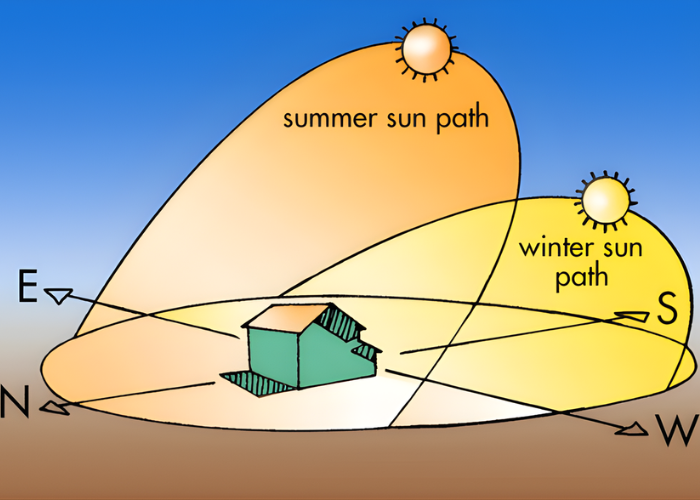
Designing house layout without considering:
- Where the sun rises and sets
- Which rooms get morning vs afternoon sun
- Seasonal sun angles
- Prevailing wind direction
Result: Some rooms unbearably hot, others dark, massive cooling costs, uncomfortable living.
Real Example:
Client: Family in DHA Lahore, 1 Kanal plot
Mistake:
- Master bedroom: West-facing with large windows
- Living room: South-facing floor-to-ceiling glass
- Kitchen: East-facing (morning sun)
Consequences:
- Master bedroom unusable 2-7 PM (afternoon sun)
- Living room like an oven 12-6 PM
- Kitchen unbearably hot during breakfast prep
- AC running 18 hours/day
- Electricity bill: PKR 65,000/month (summer)
- Family considering selling after just 2 years
Cost of Mistake:
- Lost comfort: Priceless
- Extra electricity: PKR 30,000/month × 6 months × 20 years = PKR 36,00,000 (36 lakhs!)
- Home value reduced: PKR 50,00,000+ (buyers avoid poorly oriented homes)
Why This Happens:
❌ Architect prioritizes aesthetics over function
❌ Plot oriented unfavorably (can’t control), but design doesn’t compensate
❌ Client sees renders, doesn’t understand sun path
❌ Focus on street-facing elevation, ignore practicality
❌ Copy designs from other climates (Western designs)
The Right Approach:
Understand Sun Path in Pakistan:
East:
- Morning sun (6 AM – 12 PM)
- Moderate, pleasant
- Best for: Bedrooms, breakfast areas, morning rooms
South:
- Overhead sun (10 AM – 4 PM)
- Intense, hot
- Worst orientation in Pakistan
- Needs: Deep overhangs, minimal windows
West:
- Afternoon sun (2 PM – 8 PM)
- MOST BRUTAL (hottest time + hottest direction)
- Absolutely avoid: Large windows, glass, bedrooms
- Best for: Stairs, toilets, storage, service areas
North:
- Indirect sun (never direct in Pakistan)
- Cool, consistent light
- BEST orientation
- Ideal for: Living areas, study, main bedrooms
Optimal Room Placement:
NORTH (Best):
✅ Master bedroom
✅ Main living area
✅ Study/office
✅ Guest bedroom
✅ Any room you spend significant time in
EAST (Good):
✅ Bedrooms (morning sun, cool by evening)
✅ Breakfast area
✅ Children’s rooms
✅ Morning rooms
SOUTH (Manageable):
⚠️ Minimize windows
⚠️ Deep verandah/overhang (3-4 feet)
⚠️ Courtyards (if open to sky)
⚠️ Double-height spaces (heat rises)
WEST (Worst):
❌ Avoid bedrooms
❌ Avoid living areas
✅ Stairs (don’t care about heat)
✅ Bathrooms (brief use)
✅ Storage/utility rooms
✅ Service areas
✅ Garage
Design Solutions for Unfavorable Orientation:
If Stuck with West-Facing Main Rooms:
Solution 1: Buffer Spaces
- Add balcony/verandah (5-6 feet deep)
- Creates shade, blocks direct sun
- Cost: PKR 150,000 – 400,000
- Savings: PKR 20,000 – 30,000/month electricity
Solution 2: Vertical Gardens
- Creepers on western wall
- Natural cooling (10-15°F reduction)
- Cost: PKR 50,000 – 150,000
- Beautiful + functional
Solution 3: Double Walls
- Cavity wall (4-inch gap)
- Air gap provides insulation
- Cost: PKR 200 – 300/sq ft extra
- Worth it for west walls
Solution 4: Minimal Windows
- Small, high windows (light but not heat)
- Avoid floor-to-ceiling glass
- Use frosted/tinted glass
Solution 5: Overhangs
- 3-4 feet projection above windows
- Blocks high summer sun
- Allows low winter sun
- Cost: PKR 800 – 1,500/sq ft
ACTION CHECKLIST:
☐ Get sun path diagram for your plot location
☐ Mark sunrise/sunset on plot plan
☐ Place bedrooms on north/east
☐ Avoid west-facing main rooms
☐ Minimize south exposure
☐ Deep overhangs on south/west
☐ Buffer spaces where orientation unfavorable
☐ Consider seasonal angles (summer sun higher than winter)
MISTAKE #2: POOR VENTILATION & AIR CIRCULATION
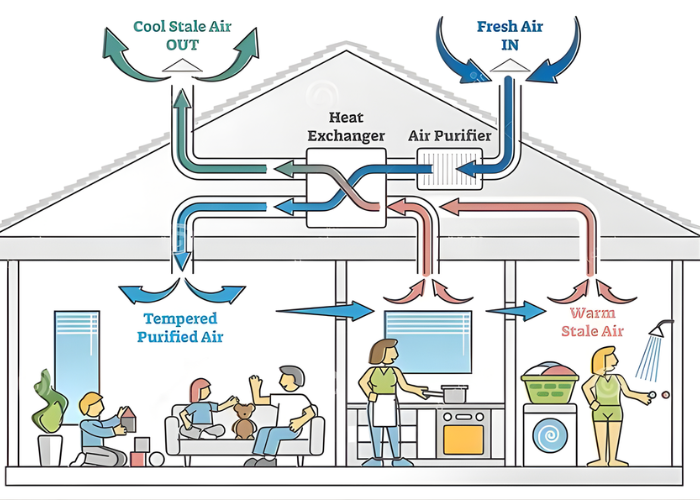
The Mistake:
Designing homes that don’t breathe:
- Windows on only one side of room
- No cross-ventilation path
- Sealed, modern designs (works in West, fails in Pakistan)
- Low ceilings trapping heat
- No exhaust points for hot air
Result: Stuffy, hot rooms even with windows open, AC running constantly, poor air quality, moisture buildup.
Real Example:
Client: Modern apartment in Karachi, Clifton
Mistake:
- Open-plan living/dining (trendy!)
- Windows only on south side
- 9-foot ceilings throughout
- No clerestory windows
- Kitchen enclosed (no exhaust)
Consequences:
- Living area stifling (heat trapped, no escape)
- Kitchen smells permeate entire apartment
- Humidity in coastal Karachi with no air movement = mold
- AC must run 24/7 or unbearable
- Electricity: PKR 45,000/month
- Respiratory issues (stale air)
Cost to Fix:
- Add exhaust fans: PKR 80,000
- Structural changes for ventilation: PKR 600,000+
- Still not ideal (can’t add cross-ventilation)
Why Ventilation Matters MORE in Pakistan:
Climate:
- 6+ months of extreme heat
- Can’t rely on AC (load shedding)
- Coastal humidity needs air movement
- Dust needs to circulate out
Economics:
- Electricity expensive
- Load shedding common
- Natural ventilation = free cooling
Health:
- Stale air = respiratory issues
- Humidity + no airflow = mold
- Cooking fumes need exhaust
The Right Approach:
Principle 1: Cross-Ventilation
What It Is:
- Windows on opposite sides of room
- Air enters one side, exits other
- Creates through-breeze
How to Achieve:
Every Room Should Have:
- Minimum 2 windows (opposite walls preferred)
- If not opposite: Adjacent walls (corner windows)
- Inlet (lower window) + Outlet (higher window)
Principle 2: Stack Effect (Hot Air Rises)
What It Is:
- Hot air naturally rises
- Provide escape at top
- Cool air drawn in at bottom
Clerestory Windows:
- High windows near ceiling
- Let hot air escape
- Don’t block with false ceiling
Exhaust Vents:
- Roof vents in bathrooms, kitchen
- Turbine ventilators
- Ridge vents
Double-Height Spaces:
- Strategically placed (living area)
- With high exhaust windows
- Draws cool air through house
Principle 3: Room-to-Room Airflow
Mistake: Each room sealed (individual AC)
Better: Air flows through house
How:
- Ventilators above doors (traditional Pakistani homes had this!)
- Transom windows (small windows above doors)
- Open floor plan where appropriate
- Connected balconies/verandahs
Room-Specific Ventilation:
Bedrooms:
- 2 windows minimum (cross-ventilation)
- One should be near ceiling (hot air escape)
- Position bed in airflow path
Living Areas:
- Multiple air paths
- High ceilings (10-12 feet better than 9 feet)
- Ceiling fans essential (complement AC, use alone when possible)
Kitchen:
- Exhaust hood (ESSENTIAL)
- Window for natural ventilation
- Ideally: 2 windows (cross-ventilation)
- Exhaust fan if needed
Bathrooms:
- Exhaust fan (mandatory)
- Window if possible (natural light + ventilation)
- Separate dry/wet areas
Ceiling Height Strategy:
DON’T: Uniform 9-foot ceilings (heat traps)
DO: Strategic heights
Bedrooms: 10 feet (comfort + air) Living/Dining: 11-12 feet (heat rises away from people) Kitchen: 10 feet (exhaust works better) Bathrooms: 9 feet (okay for brief use) Double-height space: 18-20 feet (dramatic + functional)
Cost Difference:
- 9-foot vs 10-foot ceiling: Minimal (PKR 100,000 – 200,000 for entire house)
- Benefit: Massive comfort improvement, lower cooling costs
Fenestration (Window Design):
Size:
- Minimum 10% of floor area as window area
- Better: 15-20%
- Example: 10×12 room (120 sq ft) = 18-24 sq ft window area
Type:
- Casement (opens outward) – best for cross-ventilation
- Sliding – okay, but limits airflow
- Fixed glass – worst (no ventilation)
Placement:
- Lower window: 2-3 feet from floor (cool air entry)
- Upper window/ventilator: 7-8 feet (hot air exit)
ACTION CHECKLIST:
☐ Every room: 2+ windows
☐ Cross-ventilation path in each room
☐ Higher ceilings (10-12 feet) for main areas
☐ Clerestory windows or high vents
☐ Kitchen exhaust (hood + ventilation)
☐ Bathroom exhaust fans
☐ Room-to-room airflow (transoms/ventilators over doors)
☐ Avoid sealing house completely (needs to breathe)
MISTAKE #3: NEGLECTING PRIVACY & CULTURAL NEEDS
The Mistake:
Copying Western designs without adapting to Pakistani culture:
- Open-plan designs (no privacy)
- Large glass windows (neighbors can see in)
- No separate guest entrance/area
- Combined living/dining (family + guest spaces mixed)
- Inadequate prayer space
- No accommodation for domestic help
- Women’s areas visible from entrance
Result: Uncomfortable living, cultural conflicts, compromised modesty, unusable spaces.
Real Example:
Client: Young professional couple, Islamabad, 10 Marla
Mistake:
- Open-plan ground floor (modern!)
- Master bedroom visible from entrance
- Kitchen open to living area
- Large glass windows (no curtains in renders)
- No separate guest toilet ground floor
- No servant quarter
- No designated prayer area
Consequences After Move-In:
- Wife uncomfortable (visible from entrance)
- Can’t have guests over (no privacy)
- Kitchen mess visible to everyone
- Hired cook but no accommodation
- Prayer in bedroom (not ideal)
- Regret within 6 months
- Considering major renovations
Cost to Fix:
- Add privacy screens: PKR 150,000
- Partition open area: PKR 400,000
- Add guest toilet: PKR 350,000
- Servant quarter addition: PKR 800,000
- Total: PKR 1,700,000 + stress
Why This Matters in Pakistan:
Cultural:
- Guest culture (entertaining common)
- Privacy valued (especially for women)
- Extended family visits (need accommodation)
- Prayer 5 times daily (dedicated space)
- Domestic help common (need space/facilities)
Religious:
- Prayer space essential
- Qibla direction should be marked
- Storage for prayer items
- Separate areas for men/women guests (some families)
Social:
- Neighbors close (privacy from windows)
- Street-facing windows (people can see in)
- Need curtains/screens (but shouldn’t be afterthought)
The Right Approach:
Zoning the House:
PUBLIC ZONE:
- Guest living area
- Guest bathroom
- Formal dining (optional)
- Entrance porch
PRIVATE ZONE:
- Family living area
- Kitchen (preferably not visible from entrance)
- Bedrooms
- Family bathrooms
SERVICE ZONE:
- Servant quarter
- Separate entrance for service access
- Utility area
Privacy Solutions:
1. Entry Sequence:
DON’T: Door opens directly into living room
DO: Create buffer
2. Window Treatments:
DON’T: Design beautiful glass facades with no privacy plan
DO: Plan privacy from design stage
- Higher windows (light but not visibility)
- Frosted glass (lower portions)
- Ventilation blocks (decorative jaali work)
- Balcony buffer (set windows back)
- Strategic landscaping (trees/plants)
3. Guest Accommodation:
Essential in Pakistan:
Separate Guest Living:
- Accessible from entrance
- Not have to walk through family area
- Own seating
- Can close off from house
Guest Bathroom (Ground Floor):
- NON-NEGOTIABLE
- Guests shouldn’t use family bathrooms
- Near guest area
Guest Bedroom (if space):
- Overnight guests common in Pakistan
- Ground floor or separate
- Own bathroom
4. Prayer Space:
Designated Area:
- Not just “use bedroom”
- Proper space (6×6 feet minimum)
- Correct Qibla direction
- Storage for prayer mats, Quran
- Natural light
- Peaceful location
Location:
- Not near bathrooms
- Quiet corner
- North or east-facing preferred
- Can be in room, but dedicated corner
5. Kitchen Privacy:
Mistake: Open kitchens (West loves them)
Reality: In Pakistan:
- Cooking smells strong (spices, curry)
- Kitchen mess
- Domestic help working
- Don’t want visible to guests
Solution:
- Semi-open (can close off if needed)
- Serving window to dining
- Exhaust hood essential
- Option to close (sliding doors, panels)
6. Servant Quarter:
If You Have/Plan to Have Domestic Help:
Location:
- Separate entrance
- Near service areas (kitchen, utility)
- Privacy from main house
- Not isolated (safety)
Facilities:
- Room (8×10 feet minimum)
- Bathroom
- Small kitchenette
- Ventilation
Cost: PKR 400,000 – 800,000 Worth It: If you’ll have live-in help, yes
Gender-Specific Considerations:
For Families with Purdah:
Separate Seating:
- Men’s guest area
- Women’s family area
- Can be partially separated
- Both near entrance
Screen/Partition:
- Removable or permanent
- Islamic jaali work (beautiful + functional)
Bedroom Placement:
- Not visible from guest areas
- Ground floor consideration
ACTION CHECKLIST:
☐ Entry buffer (not direct view into house)
☐ Guest area separate from family area
☐ Guest bathroom on ground floor
☐ Kitchen privacy (option to close off)
☐ Prayer space designated
☐ Window privacy (high windows, frosted, buffers)
☐ Servant quarter (if applicable)
☐ Bedrooms private (not visible from entrance)
☐ Separate guest bedroom (if space/budget)
MISTAKE #4: INEFFICIENT SPACE PLANNING
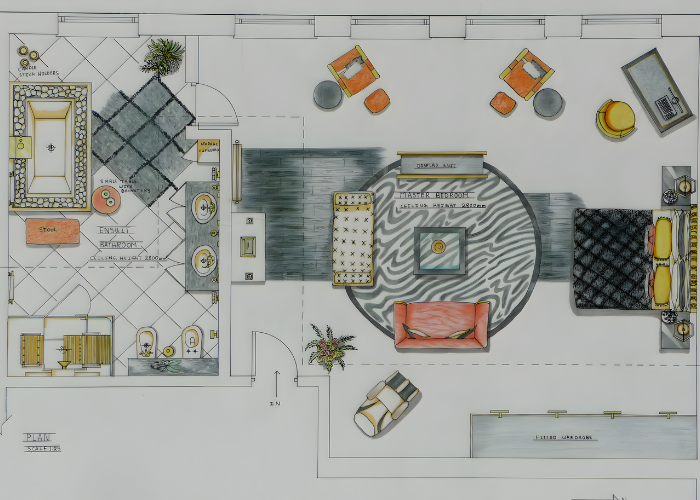
The Mistake:
Poor space utilization:
- Wasted circulation space (hallways too wide)
- Odd-shaped, unusable rooms
- Too much/too little storage
- Room sizes impractical
- Awkward furniture placement
- Spaces that don’t serve actual living needs
Result: Paying for square footage you can’t use, frustration arranging furniture, storage chaos, rooms that don’t serve their purpose.
Real Example:
Client: Family, Bahria Town Karachi, 250 sq yards
Mistake:
- 6-foot-wide corridors throughout (wasted 150 sq ft)
- Living room 20×25 feet (too large for furniture arrangement)
- Master bedroom 10×11 feet (undersized, can’t fit queen bed + wardrobe comfortably)
- No storage space planned
- Kitchen 8×8 feet (too small for Pakistani cooking needs)
- Drawing room added (rarely used, pressure from architect)
Consequences:
- Paying for 2,250 sq ft, using maybe 1,800 sq ft effectively
- Furniture looks lost in huge living room
- Master bedroom cramped (ironic!)
- Storage nightmare (stuff everywhere)
- Kitchen frustration daily
- Drawing room empty 360 days/year
Cost:
- Wasted construction: 400 sq ft × PKR 3,500/sq ft = PKR 1,400,000 (14 lakhs!)
- Low functionality: Impacts daily life
Why This Happens:
❌ Architect designs for beauty, not livability
❌ Client doesn’t think about actual furniture
❌ Room sizes copied from standards (not Pakistani needs)
❌ Circulation space excessive (looks good on paper)
❌ Storage afterthought
❌ Chasing square footage number (bigger = better myth)
The Right Approach:
Principle 1: Right-Size Rooms
Don’t Make Everything Big – Make Things Right:
Bedroom Sizing (Pakistan-appropriate):
Master Bedroom:
- Minimum: 12×14 feet (can fit queen + wardrobes)
- Comfortable: 14×16 feet
- Spacious: 16×18 feet
- Too Big: 20×22 feet (why?)
What Fits (12×14):
- Queen bed
- Two bedside tables
- Wardrobe (6-8 feet)
- Dressing table
- Small seating
- Movement space
Other Bedrooms:
- Single use: 10×12 feet
- Double use: 11×13 feet
- Larger: 12×14 feet
Living Room Sizing:
Based on Use:
Nuclear family (4-6 people):
- Size: 14×16 to 16×18 feet
- Fits: Sofa set, coffee table, TV unit, side tables
Large family/frequent guests:
- Size: 18×20 feet
- Fits: Larger seating, more people
Too Big is a Problem:
- Furniture looks lost
- Feels empty
- Heating/cooling issues
- Acoustic issues (echoes)
Kitchen Sizing (Pakistani Cooking):
Mistake: 8×8 feet kitchens (too small!)
Reality: Pakistani cooking:
- Multiple dishes simultaneously
- Family members helping
- Domestic help sometimes
- Storage for spices, utensils, appliances
Appropriate Size:
- Minimum: 10×10 feet
- Comfortable: 10×12 or 12×12 feet
- Spacious: 12×14 feet
Dining Room:
Question First: Do you need formal dining?
Modern Pakistani Reality:
- Many families eat in kitchen (casual)
- Formal dining rarely used
- Space could be better utilized
Options:
- Combined family living/dining (open plan)
- Breakfast bar in kitchen
- Small dining table (4-6 seats)
- Skip formal dining entirely
If Needed:
- Size: 12×14 feet (fits 6-8 seater table + buffet)
Principle 2: Minimize Circulation Waste
Circulation Space: Hallways, corridors, stairs, landings
Problem: Necessary, but pure waste if excessive
- Main corridor: 3.5-4 feet (adequate)
- Bedroom corridor: 3 feet (sufficient)
- Not needed: 5-6 feet hallways (waste)
Hallway Width:
Example Waste:
- 5-foot hallway vs 3.5-foot × 20 feet long = 30 sq ft wasted
- × PKR 3,500/sq ft = PKR 105,000 + proportional land cost
Better: Wider rooms, narrower corridors
Stairs:
Efficient Design:
- 3-foot wide (comfortable)
- U-turn design (compact)
- Under-stair storage (don’t waste)
Avoid:
- 4-5 foot wide stairs (unless really needed)
- Straight run (wastes length)
- No storage under
Principle 3: Storage, Storage, Storage
Mistake: Assuming you’ll “figure it out later”
Reality: Pakistani homes need MORE storage than Western designs
Why:
- Seasonal clothes (heavy winter vs light summer)
- Extended family items
- Crockery (chai sets, dinner sets, serving dishes)
- Bedding (extra for guests)
- Appliances (many!)
- Kids’ stuff
- Everything!
Built-In Storage Opportunities:
Bedrooms:
- Wall-to-wall, floor-to-ceiling wardrobes
- Under-bed storage (design beds with drawers)
Kitchen:
- Full-height cabinets (don’t stop at 7 feet)
- Corner carousels (utilize corners)
- Drawer under sink
- Pantry cupboard
Living Areas:
- TV unit with storage
- Window seats with storage
- Under-stair storage
Utility:
- Dedicated storeroom (8×8 feet worth it)
- Loft storage (if high ceilings)
Cost: Minimal extra, massive benefit
Principle 4: Room Shapes
Best: Rectangular, regular shapes
Avoid: Odd angles, L-shapes (unless very large)
Why:
- Furniture placement easier
- No wasted corners
- Feels more spacious
- Better ventilation
Exception: L-shaped if >200 sq ft (can zone areas)
Principle 5: Plan with Furniture
BEFORE Finalizing Design:
☐ Draw furniture to scale on floor plan
☐ Actual sizes (not guesses)
☐ Movement space around furniture (3 feet minimum)
☐ Door swings (don’t block with furniture)
☐ Window access (curtains, opening)
Free Tool: Use online floor planner (Planner 5D, Room Sketcher)
ACTION CHECKLIST:
☐ Right-size rooms (not too big, not too small)
☐ Minimize hallways (3.5 feet sufficient)
☐ Maximum storage (built-in everywhere possible)
☐ Regular room shapes (rectangular preferred)
☐ Plan furniture placement (before finalizing)
☐ Adequate kitchen (10×10 minimum)
☐ Question every room (do you really need it?)
☐ Efficient stairs (under-stair storage)
☐ Dedicated storeroom (worth the space)
MISTAKE #5: DISREGARDING LONG-TERM MAINTENANCE & AGING
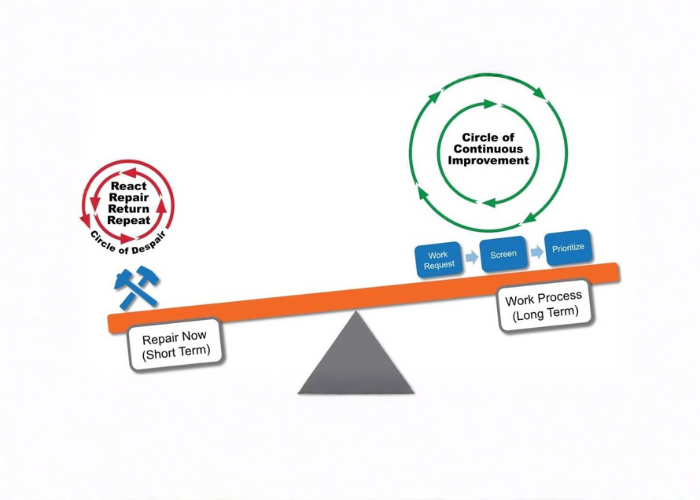
The Mistake:
Designing only for today:
- No consideration for aging (stairs difficult for elderly)
- Maintenance nightmares (high maintenance materials/features)
- No flexibility for changing needs
- Inaccessibility for elderly/disabled
- High operational costs (electricity, water)
- Materials that don’t suit Pakistan’s climate
Result: House becomes burden, expensive to maintain, unsuitable as you age, costly to adapt.
Real Example:
Client: Couple, late 40s, Lahore, 1 Kanal
Mistake:
- Master bedroom on first floor (stairs daily)
- Only one bathroom per floor
- High-maintenance finishes (white Italian marble everywhere, imported wallpaper)
- Glass facades (cleaning nightmare + heat gain)
- Water features (maintenance, wastage)
- All-glass balusters (fingerprints, cleaning)
- No ramp at entrance (steps only)
- Entirely open-plan (no option to adapt)
Consequences (10 years later):
- Father had stroke (can’t use stairs – master bedroom inaccessible)
- Marble stained, impossible to maintain
- Wallpaper peeling (Pakistan’s humidity)
- Glass cleaning = full-time job
- Water features abandoned (too much effort)
- Can’t accommodate wheelchair (no ramp)
- Can’t modify open plan for live-in nurse
- Maintenance cost: PKR 30,000/month
- Considering downsizing, but house not sellable (impractical design)
Cost:
- 10 years maintenance: PKR 36,00,000 (36 lakhs)
- Modifications needed: PKR 15,00,000+
- Stress: Immeasurable
Why This Matters:
Aging:
- You WILL get older
- Parents will age (might move in)
- Stairs become difficult
- Accessibility becomes crucial
Life Changes:
- Kids grow up, move out
- Might need live-in help/nurse
- Elderly parents may move in
- Resale value affected
Maintenance:
- High maintenance = expensive + stressful
- Some materials don’t suit Pakistan
- “Modern” features often impractical here
Operational Costs:
- Electricity (increasing yearly)
- Water (shortages common)
- Gas (supply issues)
- Maintenance labor
The Right Approach:
Design Principle: Universal Design
What It Is: Design that works for everyone, all ages, all abilities
Key Features:
1. Accessible Entry:
- Ramp alongside steps
- Or gentle slope
- Wide entrance (3 feet+)
- Good lighting
2. Bedroom on Ground Floor:
Essential: At least ONE usable bedroom ground floor
Why:
- Elderly can’t do stairs
- Injury/illness recovery
- Resale (buyers want ground floor bedroom)
Implementation:
- Master ground floor OR
- Good-sized guest bedroom (can become master later)
3. Ground Floor Bathroom:
Essential: Full bathroom ground floor (not just powder room)
Features:
- Shower (not just tub)
- Grab bars provision (may not install now, but provision)
- Non-slip tiles
- Good lighting
4. Hallway & Door Width:
Future-Proofing:
- Hallways: 3.5-4 feet (wheelchair accessible)
- Doors: 3 feet (standard) – wheelchairs fit
5. Flexible Spaces:
Not Fixed Functions:
- Room can be bedroom OR office OR nurse room
- Living area can be sectioned if needed
- Option to add partition later (not all structural walls)
Low-Maintenance Design:
Materials for Pakistan:
Flooring:
High Maintenance (Avoid):
❌ White marble (stains)
❌ High-gloss tiles (shows everything)
❌ Carpet (dust, stains, allergies)
❌ Very light colors
Low Maintenance (Choose):
✅ Mid-tone tiles (beige, grey)
✅ Matte finish (hides scratches)
✅ Porcelain tiles (durable)
✅ Local marble (not white)
Walls:
High Maintenance:
❌ Wallpaper (peels in humidity)
❌ Textured paint (collects dust)
❌ White paint (shows marks)
Low Maintenance:
✅ Washable paint
✅ Mid-tone colors (beige, grey)
✅ Smooth finish
✅ Quality paint (Berger, ICI, Nippon)
Fixtures:
High Maintenance:
❌ Chrome (shows fingerprints)
❌ Very modern shapes (hard to clean)
❌ Glass everywhere
Low Maintenance:
✅ Brushed nickel (hides marks)
✅ Simple designs
✅ Minimal glass
✅ Quality brands (last longer)
Avoid Maintenance Nightmares:
❌ Water features (cleaning, wastage, mosquitoes)
❌ Too much glass (cleaning nightmare)
❌ Complex false ceilings (dust collectors)
❌ Elaborate landscaping (maintenance cost)
❌ Multiple levels (within room – cleaning difficulty)
Energy Efficiency:
Passive Design (No Running Cost):
✅ Proper orientation (covered in Mistake #1)
✅ Good ventilation (covered in Mistake #2)
✅ Adequate insulation (external walls)
✅ Deep overhangs (shading)
✅ Light colors external (reflect heat)
✅ Trees on south/west (natural cooling)
Cost: Planning + minor extra, saves lakhs in electricity
Active Systems (Efficient):
✅ LED lighting throughout (75% less electricity than incandescent)
✅ Efficient AC (inverter technology)
✅ Solar panels consideration (if budget allows)
✅ Dual flush toilets (water saving)
✅ Efficient fixtures
Future Adaptability:
Electrical:
- Extra conduits (future additions easy)
- Adequate points (can’t have too many)
- Provision for solar (even if not installing now)
Plumbing:
- Accessible pipes (not all buried in walls)
- Shut-off valves (every area)
- Extra water lines (future bathrooms)
Structural:
- Some non-load-bearing walls (can modify layout)
- Future extension provision (if plot allows)
Resale Value Considerations:
Buyers Want:
✅ Ground floor bedroom
✅ Practical layout
✅ Low maintenance
✅ Good orientation
✅ Adequate storage
✅ Proper ventilation
Buyers Avoid:
❌ Impractical designs
❌ High-maintenance
❌ Stairs-only access to bedrooms
❌ Odd layouts
❌ Orientation issues
Your Future Self Will Thank You:
- Design not just for now, but for 20+ years
- Easy to maintain = less stress
- Accessible = can age in place
- Efficient = lower running costs
ACTION CHECKLIST:
☐ Ground floor bedroom (at least one)
☐ Ground floor full bathroom
☐ Ramp provision at entrance
☐ Low-maintenance materials (avoid white marble, wallpaper)
☐ Energy-efficient design (orientation, insulation, ventilation)
☐ Wide doorways (3 feet)
☐ Flexible spaces (can adapt later)
☐ Accessible layout (minimal stairs within floors)
☐ Quality, durable materials (Pakistan climate appropriate)
☐ Future provisions (electrical conduits, plumbing access)
BONUS MISTAKE: NOT HIRING THE RIGHT ARCHITECT
The Overlooked Error:
Choosing architect based on:
❌ Lowest fee
❌ Family connection (not qualified)
❌ Pretty Instagram renders
❌ No portfolio review
Consequence: ALL the mistakes above!
How to Choose Right Architect:
Must-Haves:
☐ Proper qualification (architecture degree, not just “designer”)
☐ Pakistan experience (understands climate, culture)
☐ Portfolio review (see actual built work, not just renders)
☐ References (talk to previous clients)
☐ Site visits (visit their completed projects)
☐ Communication (listens to you, not just pushing their vision)
☐ Understands your budget (designs within reality)
☐ Knowledge of local regulations (approvals, codes)
Red Flags:
❌ No built work (only computer renders)
❌ Refuses site visits to previous projects
❌ Copies Western designs without adaptation
❌ Doesn’t ask about your lifestyle
❌ Defensive about feedback
❌ “Trust me” without explanation
❌ Extremely cheap (undercutting everyone)
Investment:
Architect Fee: 3-5% of construction cost 10 Marla house (PKR 80 lakhs construction): PKR 2,40,000 – 4,00,000
Worth It: Absolutely, if right architect. Saves multiples in mistakes avoided.
Not Worth It: If wrong architect. Can cause lakhs in issues.
COST OF MISTAKES vs. COST TO AVOID
Mistake #1: Wrong Orientation
Cost to Fix: Often impossible, or PKR 5,00,000 – 15,00,000 Extra Electricity: PKR 20,000 – 40,000/month × 20 years = PKR 48,00,000 – 96,00,000 Cost to Avoid: Proper planning (free, just thinking)
Savings: Crores over life of house
Mistake #2: Poor Ventilation
Cost to Fix: PKR 4,00,000 – 10,00,000 (structural changes) Extra Electricity: PKR 15,000 – 30,000/month × 20 years = PKR 36,00,000 – 72,00,000 Cost to Avoid: Proper design (no extra cost)
Savings: Many lakhs
Mistake #3: Privacy Issues
Cost to Fix: PKR 5,00,000 – 20,00,000 (partitions, additions) Discomfort: Daily frustration (priceless) Cost to Avoid: Proper planning (no extra cost)
Savings: Lakhs + peace of mind
Mistake #4: Inefficient Space
Cost of Waste: 300-500 sq ft × PKR 3,500/sq ft = PKR 10,50,000 – 17,50,000 Cost to Avoid: Better planning (no extra cost)
Savings: 10-17 lakhs
Mistake #5: No Future-Proofing
Maintenance Cost: PKR 20,000 – 40,000/month × 20 years = PKR 48,00,000 – 96,00,000 Modification Cost: PKR 10,00,000 – 25,00,000 (accessibility additions) Cost to Avoid: Thoughtful design (minimal extra)
Savings: Crores
TOTAL COST OF ALL MISTAKES: PKR 1.5 CRORE – 3 CRORE+
TOTAL COST TO AVOID: Proper architect + planning = PKR 4-6 LAKHS
ROI on Good Design: 2,500%+ !!!
YOUR ACTION PLAN
BEFORE Finalizing Plans:
☐ Review orientation (sun path, room placement)
☐ Check ventilation (cross-ventilation in every room)
☐ Verify privacy (entry sequence, guest areas, cultural needs)
☐ Plan furniture (to scale, every room)
☐ Future-proof (ground floor bedroom, low maintenance)
☐ Calculate actual usable space (minus circulation)
☐ Question every square foot (is this necessary?)
☐ Long-term costs (maintenance, electricity)
Get Second Opinion:
Even if you trust your architect, have another qualified professional review plans. Cost: PKR 20,000 – 50,000. Could save lakhs.
Visit Similar Homes:
- See what works, what doesn’t
- Talk to owners (they’ll tell you regrets!)
- Note what you like/dislike
- Learn from others’ mistakes
FINAL THOUGHTS
Building a house is likely your biggest investment. You’ll live with these design decisions for 20+ years. Your parents might age here. Your children might grow up here. You might retire here.
These mistakes are COMPLETELY AVOIDABLE.
They don’t require more money – just more thought. A few extra weeks of planning can save crores in costs and decades of frustration.
The Right Approach:
✅ Hire qualified, experienced architect (Pakistan experience)
✅ Think about actual living (not just pretty pictures)
✅ Consider Pakistan’s climate and culture
✅ Plan for future (you’ll age, needs change)
✅ Prioritize function over form (beautiful + livable)
✅ Learn from others’ mistakes (this article!)
✅ Get second opinion (worth it)
✅ Take time to finalize design (don’t rush)
Your Future Self Will Thank You.
NEED EXPERT HELP?
At Dilaawar Interiors, we’ve guided hundreds of families through the architectural design process, helping them avoid these costly mistakes.
Our Services:
✅ Architectural Design Review (PKR 25,000)
- Review existing plans
- Identify potential mistakes
- Suggest improvements
- Pakistan climate/culture considerations
✅ Complete Architectural Design (PKR 300 – 600/sq ft)
- Custom design from scratch
- All mistakes avoided
- 3D visualization
- Working drawings
- Approval assistance
✅ Design Consultation (PKR 10,000)
- 2-hour session
- Review your plans
- Answer questions
- Provide guidance
✅ Complete Design + Construction Management
- Architecture
- Structural
- Interior Design
- Construction supervision
- Quality control
Contact us today:
📞 Call: +923111147157
💬 WhatsApp: +923111147157
📧 Email: info@dilaawarinteriors.com
🌐 Website: www.dilaawarinteriors.com
📍 Visit: Lahore, Pakistan.
👉 Get Your Architectural Design Review
Don’t let preventable mistakes cost you crores and decades of regret. Build it right the first time!
Share this guide with anyone planning to build in Pakistan! Questions about your design? Comment below! 💬