9 Premium Types of Wood for Interior Design: Choosing the right wood for your interior project can transform a space from ordinary to extraordinary. Whether you’re designing custom furniture, installing hardwood floors, or creating statement wall panels, understanding different wood types is essential for achieving both aesthetic beauty and functional durability.
At Dilawar Interiors, we’ve worked with countless wood varieties across residential and commercial projects. In this comprehensive guide, we’ll explore nine of the most popular and versatile wood types used in interior design today—each with its unique characteristics, origins, and ideal applications.
best Wood for Interior Design
1. Oak Wood: The Timeless Classic
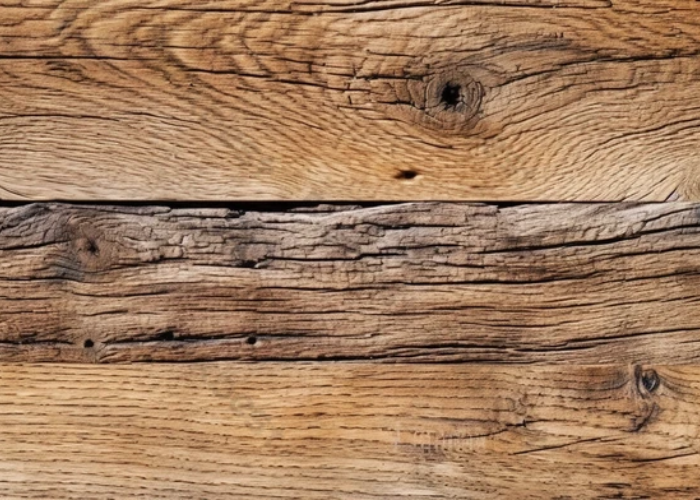
Origin: Oak trees are predominantly found in the Northern Hemisphere, with major sources including North America, Europe, and parts of Asia. Red oak is primarily harvested in the United States and Canada, while white oak is common across Europe and North America.
Description: Oak is renowned for its exceptional strength and durability, featuring a distinctive grain pattern with visible rays and flecks. It comes in two main varieties: red oak (with warmer, reddish-brown tones) and white oak (with cooler, grayish-brown hues). The wood has a medium to coarse texture and is moderately heavy, with excellent resistance to wear and moisture.
Where It’s Used: Oak is incredibly versatile in interior applications:
- Flooring: One of the most popular choices for hardwood flooring due to its durability
- Furniture: Dining tables, chairs, cabinets, and bedroom sets
- Cabinetry: Kitchen and bathroom cabinets
- Architectural elements: Beams, door frames, and paneling
- Staircases: Treads and railings
Oak’s ability to accept stains beautifully makes it ideal for achieving various looks, from rustic farmhouse to contemporary minimalist designs.
2. Walnut Wood: The Luxury Choice
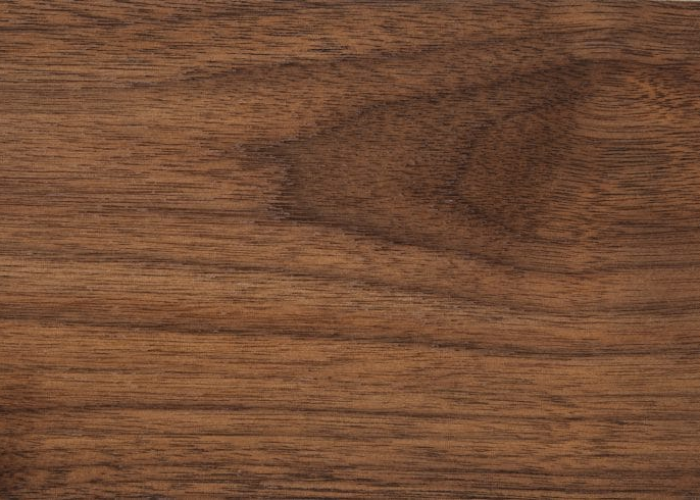
Origin: Black walnut primarily comes from the eastern United States, while European walnut (also called English walnut) is sourced from southeastern Europe, southwest Asia, and the Himalayan region.
Description: Walnut is prized for its rich, dark chocolate brown color with occasional purple or reddish undertones. It features a straight, often wavy grain pattern that creates stunning visual interest. The wood has a fine to medium texture, excellent workability, and natural luster. Walnut darkens with age and UV exposure, developing an even richer patina over time.
Where It’s Used: Walnut’s premium appearance makes it ideal for:
- High-end furniture: Executive desks, luxury bedroom sets, and statement pieces
- Cabinetry: Premium kitchen cabinets and built-ins
- Wall paneling: Creating sophisticated accent walls
- Musical instruments: Piano frames and guitar bodies
- Decorative veneers: Adding elegance to various surfaces
- Flooring: In upscale residential and commercial spaces
The natural elegance of walnut requires minimal finishing, making it a favorite among modern designers seeking clean, sophisticated aesthetics.
3. Pine Wood: The Budget-Friendly Softwood
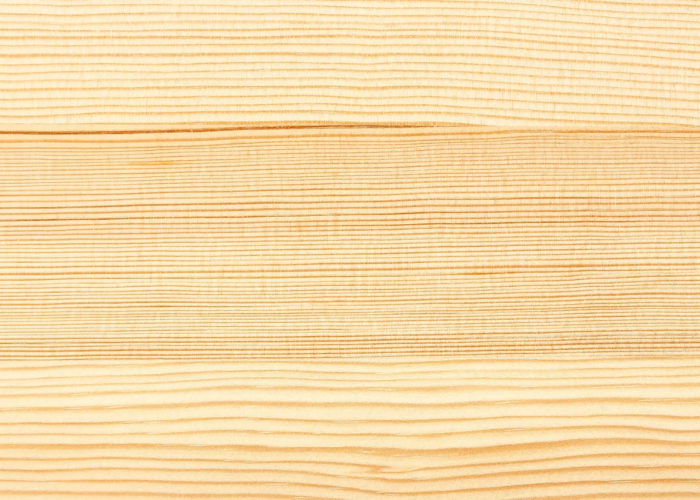
Origin: Pine is one of the most widely distributed wood species globally, with varieties found throughout North America, Europe, and Asia. Common species include Eastern White Pine (North America), Scots Pine (Europe), and Ponderosa Pine (western North America).
Description: Pine is a softwood characterized by its light color ranging from pale yellow to light brown, often with visible knots that add rustic charm. It has a straight grain, soft texture, and is lightweight compared to hardwoods. Pine absorbs stains and paints exceptionally well, allowing for versatile finishing options.
Where It’s Used: Pine’s affordability and workability make it popular for:
- Rustic furniture: Farmhouse tables, benches, and shelving
- Children’s furniture: Beds, toy chests, and desks
- Cabinetry: Budget-friendly kitchen and storage cabinets
- Paneling and wainscoting: Creating cottage-style interiors
- Ceiling treatments: Exposed beams and tongue-and-groove ceilings
- DIY projects: Easy to work with for home enthusiasts
While softer than hardwoods, pine offers excellent value and can be sealed or treated for improved durability in high-traffic areas.
4. Yellow Pine (Southern Yellow Pine): The Structural Workhorse
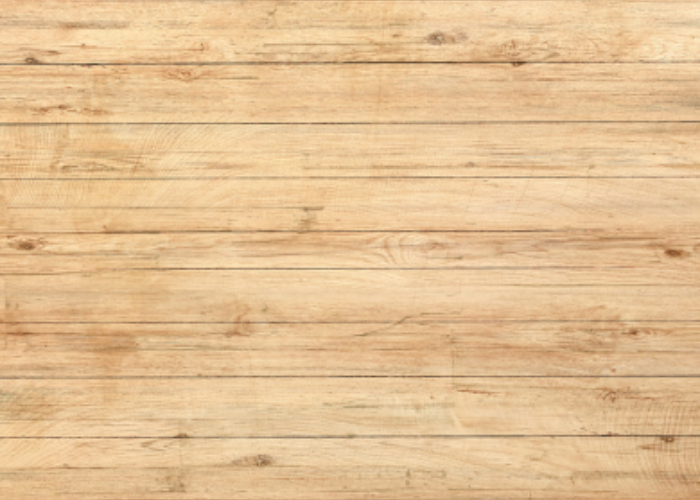
Origin: Southern Yellow Pine (SYP) is native to the southeastern United States, growing abundantly from Texas to Virginia. The term encompasses several pine species including longleaf, slash, loblolly, and shortleaf pine.
Description: Yellow Pine is significantly harder and denser than regular pine, featuring a yellowish to reddish-brown color with pronounced grain patterns. It has excellent strength-to-weight ratio and natural resistance to decay. The wood contains high resin content, which contributes to its durability and distinctive appearance with visible growth rings.
Where It’s Used: Yellow Pine’s structural integrity makes it ideal for:
- Structural beams and framing: Supporting loads in construction
- Heavy-duty flooring: Commercial spaces and high-traffic areas
- Outdoor-indoor transitions: Porches and sunrooms
- Industrial-style furniture: Tables, benches, and shelving with exposed character
- Stair treads: Where durability is paramount
- Decorative ceiling beams: Adding rustic or industrial charm
Its affordability combined with strength makes it an excellent choice for projects requiring both aesthetics and structural performance.
5. Teak Wood: The Premium Tropical Hardwood
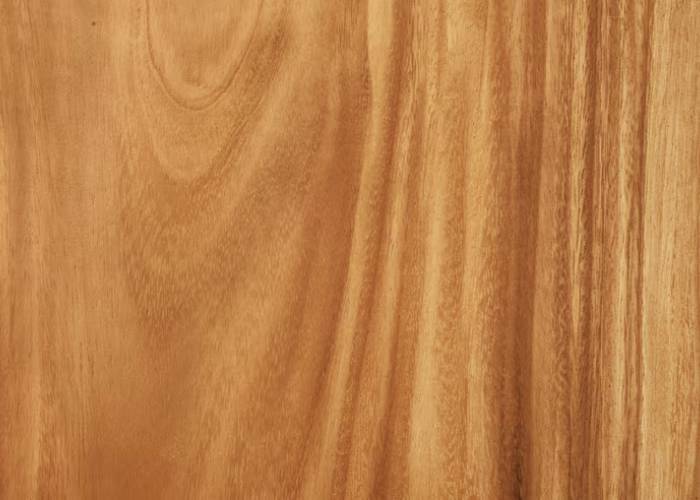
Origin: Teak is native to South and Southeast Asia, with primary sources including Myanmar (Burma), Thailand, Indonesia, and India. Plantation-grown teak is now also cultivated in Central America and Africa.
Description: Teak is world-famous for its golden to medium brown color with darker brown streaks. It has a straight grain, coarse texture, and naturally oily feel due to high natural oil content. This oil makes teak exceptionally resistant to water, rot, termites, and decay—even without treatment. Teak develops a beautiful silver-gray patina when exposed to sunlight over time.
Where It’s Used: Teak’s exceptional properties make it suitable for:
- Bathroom furniture and vanities: Moisture-resistant applications
- Kitchen countertops and islands: Where water resistance is crucial
- High-end furniture: Luxury dining sets, coffee tables, and accent pieces
- Flooring: In areas prone to moisture or humidity
- Outdoor-indoor furniture: Seamless transitions between spaces
- Boat interiors: Luxury yacht cabinetry and decking
- Spa and wellness centers: Where moisture and durability are essential
While expensive, teak’s longevity and minimal maintenance requirements often justify the investment for discerning clients.
6. Red Meranti: The Versatile Southeast Asian Hardwood
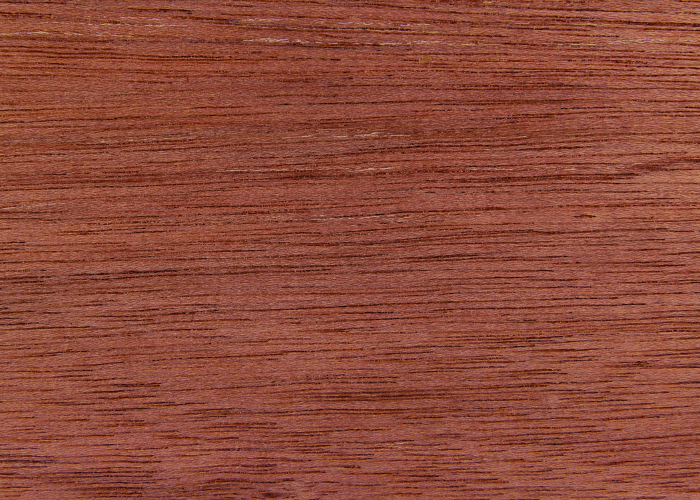
Origin: Red Meranti (also spelled Meranti) is harvested primarily from Malaysia, Indonesia, and the Philippines. It’s part of the Shorea genus and is one of the most commercially important tropical hardwoods.
Description: Red Meranti features a pale to deep reddish-brown color with a moderately coarse texture and interlocked grain pattern. It’s medium-density with good strength properties and reasonable durability. The wood works well with both hand and machine tools, accepts finishes nicely, and offers an excellent balance of quality and affordability.
Where It’s Used: Red Meranti’s versatility makes it popular for:
- Doors and window frames: Both interior and exterior applications
- General furniture: Affordable yet attractive tables, chairs, and storage
- Cabinetry: Kitchen and bedroom cabinets
- Molding and trim: Architectural detailing
- Plywood and veneer: Cost-effective decorative surfaces
- Paneling: Wall treatments in commercial and residential settings
Red Meranti offers an attractive appearance similar to more expensive hardwoods at a more accessible price point.
7. Sapele Wood: The African Mahogany Alternative
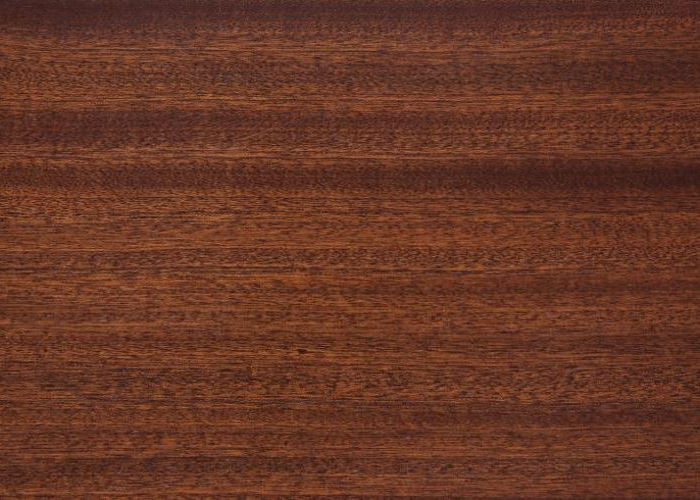
Origin: Sapele (pronounced “sah-PEE-lee”) is native to tropical Africa, with primary sources in countries including Cameroon, Ghana, Ivory Coast, and Nigeria.
Description: Sapele showcases a rich, reddish-brown to dark brown color with a fine, interlocked grain that often produces a beautiful ribbon-stripe pattern when quarter-sawn. It has a fine texture, good natural luster, and is moderately durable with some resistance to decay. The wood is harder and denser than genuine mahogany while being more affordable.
Where It’s Used: Sapele’s beauty and workability make it ideal for:
- Fine furniture: Dining tables, desks, and cabinets with showpiece quality
- Doors: Both solid and veneer interior doors
- Musical instruments: Guitar backs and sides, pianos
- Flooring: Distinctive and durable hardwood floors
- Decorative veneers: Creating striking visual effects
- Cabinetry: High-end kitchen and bathroom installations
- Architectural millwork: Custom trim and molding
The distinctive ribbon figure in quarter-sawn Sapele is particularly prized for statement pieces and accent walls.
8. Mahogany Wood: The Symbol of Elegance
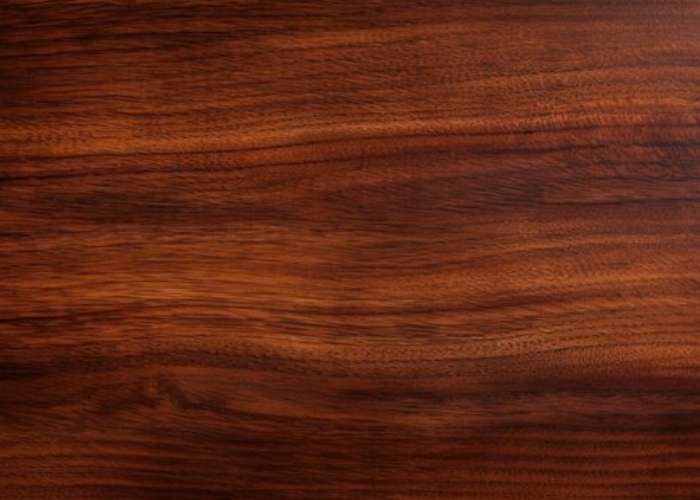
Origin: Genuine mahogany (Swietenia species) originates from Central and South America, with primary sources in countries like Honduras, Brazil, and Peru. African mahogany (Khaya species) comes from West and Central Africa.
Description: Mahogany is celebrated for its rich reddish-brown color that deepens with age, straight to interlocked grain, and medium to fine texture. It’s exceptionally stable, resisting swelling and shrinking, with excellent workability. The wood has moderate weight, good strength, and natural resistance to decay. Genuine mahogany is increasingly rare and expensive due to sustainability concerns.
Where It’s Used: Mahogany’s prestige makes it the choice for:
- Luxury furniture: Antique reproductions, executive desks, and dining sets
- High-end cabinetry: Custom built-ins and library shelving
- Musical instruments: Premium guitars and pianos
- Boat building: Interior yacht fittings
- Architectural millwork: Crown molding, wainscoting, and door frames
- Veneers: Adding elegance to furniture and paneling
- Office furniture: Conference tables and executive suites
Mahogany’s association with luxury and its excellent finishing properties keep it in high demand for premium projects.
9. Ash Wood: The Flexible Performer
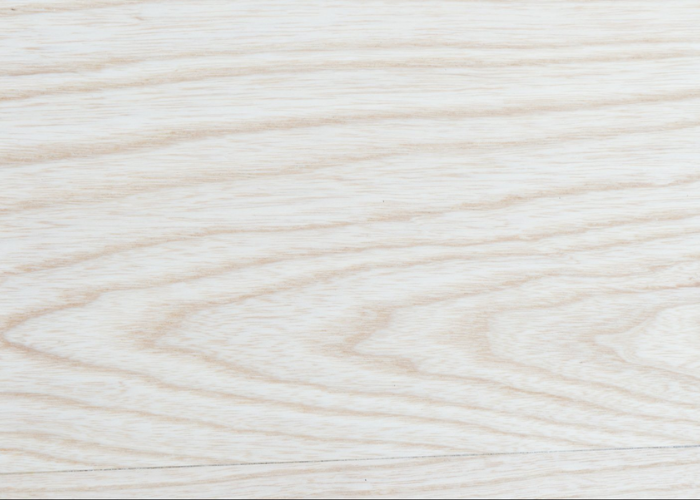
Origin: Ash is predominantly found in eastern North America, with European ash sourced throughout Europe and parts of Asia. White ash is the most common commercial species in North America.
Description: Ash features a light cream to medium brown color with a straight, prominent grain pattern similar to oak. It’s a tough, hard wood with excellent shock resistance and flexibility—making it ideal for items that need to bend without breaking. Ash has an open grain, medium to coarse texture, and good workability. It stains and finishes beautifully.
Where It’s Used: Ash’s strength and flexibility make it perfect for:
- Sports equipment: Baseball bats, hockey sticks, and tool handles
- Furniture: Chairs, tables, and cabinets requiring strength
- Flooring: Durable and attractive hardwood floors
- Staircases: Treads, handrails, and balusters
- Cabinets and millwork: Kitchen cabinetry and trim
- Bent wood applications: Curved furniture components
- Musical instruments: Drum shells and electric guitar bodies
Ash offers an excellent combination of strength, appearance, and affordability for both functional and decorative applications.
Choosing the Right Wood for Your Project
Selecting among these wood types depends on several factors:
- Budget: Pine and Red Meranti offer value, while walnut, teak, and mahogany are premium choices
- Durability needs: Teak and oak excel in moisture-prone areas; ash performs well under stress
- Aesthetic preferences: Walnut and mahogany provide rich, dark tones; pine and ash offer lighter palettes
- Application: Structural needs favor yellow pine; fine furniture suits walnut, sapele, or mahogany
- Sustainability: Consider certified sources and locally available options
At Dilawar Interiors, we help clients navigate these choices to create spaces that are both beautiful and functional. Each wood type brings its unique character to interior design, offering endless possibilities for creating memorable spaces.Ready to transform your space with the perfect wood choice? Contact Dilawar Interiors today to discuss your project and discover how these premium wood types can elevate your interior design vision.